

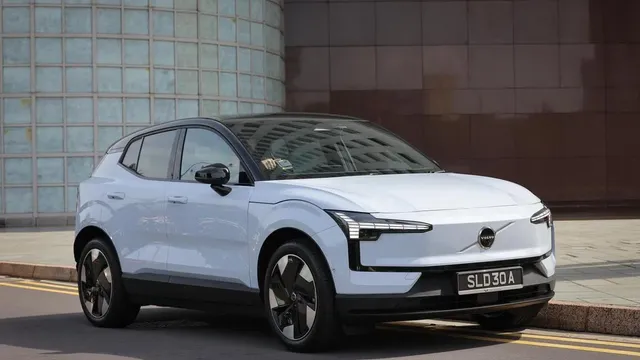
Volvo warns owners to limit charging after battery fire risk identified
Volvo warns owners to limit charging after battery fire risk identified
- Volvo has identified a battery defect in the EX30 Ultra electric vehicles that poses a fire risk.
- The company has advised affected owners in Singapore to limit charging to 70% while a permanent solution is developed.
- Global investigations are ongoing, highlighting the importance of safety measures in electric vehicle technology.
Story
In Singapore, 143 owners of the Volvo EX30 Ultra electric vehicle have been advised to restrict their vehicle charging to a maximum of 70%. This recommendation stems from a identified defect in the vehicle's battery, which poses a risk of overheating and, in severe cases, can lead to fires. Presently, there have been no reported incidents of fire among the affected vehicles in Singapore, even though globally, around 33,777 units are implicated in this issue, with approximately seven units having been reported to have caught fire. Volvo acknowledged that the high-voltage batteries in the 200kW variant of the EX30, specifically the Category B COE model, could overheat when charged beyond 70%. A spokesperson for Wearnes Automotive, the authorized distributor of Volvo in Singapore, further articulated that such overheating is rare but could have serious consequences if not managed properly. Thus, this interim measure was introduced while Volvo formulates a permanent solution to the defect. The notice to limit charging levels was posted formally on the Land Transport Authority’s electronic vehicle recall system on December 30, 2025. Volvo has indicated that they will communicate with the impacted owners once a final fix is developed and assess whether a physical recall of the vehicles will take place. Affected owners are encouraged to reach out to their service consultants or the Volvo Service Centre for guidance and support. This situation has raised concerns among consumers, especially given that the electric vehicle market is growing rapidly and relies heavily on consumer confidence regarding safety. With electric cars viewed as a more environmentally friendly alternative to traditional gasoline models, occurrences of malfunctions can potentially derail the public's acceptance of such technologies. Volvo's proactive approach to inform its customers and take preventive measures may help mitigate potential dangers while restoring consumer trust in their brand.


