

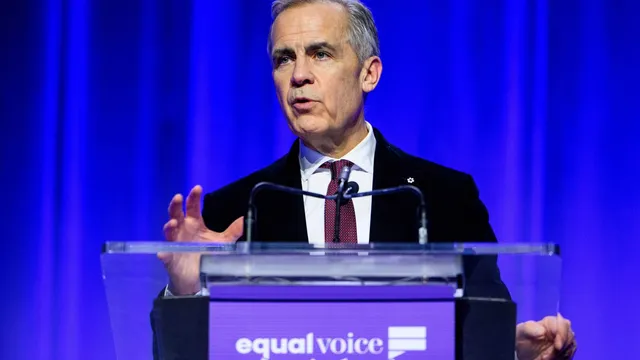
Another Conservative MP defects to Liberals, threatening party stability
Another Conservative MP defects to Liberals, threatening party stability
- Michael Ma, a Conservative MP from Markham-Unionville, announced he is defecting to join the Liberal Party.
- His defection is the second for the Conservative Party within just over a month, raising concerns about party stability.
- The move brings the Liberal Party close to a majority government and could significantly alter the political landscape in Canada.
Story
In Canada, a significant political shift occurred when Conservative Member of Parliament Michael Ma defected to join the governing Liberal Party led by Prime Minister Mark Carney. The defection took place on December 11, 2025, and represents a notable trend, as Ma is the second Conservative lawmaker to switch parties in just over a month. This move is particularly impactful for the Liberal Party, as it leaves them just one seat shy of a majority government in the House of Commons. Prior to his departure from the Conservatives, Ma was elected to represent the Markham-Unionville constituency, where he accumulated support by advocating against the alleged inflationary spending of the Liberal government. However, after reevaluating his position, he expressed a desire to focus on solutions rather than political divisions and concluded that Carney's leadership offers a practical approach to addressing constituent concerns. Ma's switch is a blow to Conservative leader Pierre Poilievre, who faces a leadership review in January and has recently suffered multiple defections from his ranks. This includes a third Conservative lawmaker contemplating a similar move after discussions with Carney, indicating a possible trend of instability within the Conservative Party. Poilievre, who lost his own seat in the last election, criticized Ma's decision, pointing out the inconsistency it represents regarding the platform on which Ma was elected. Such defections could potentially disrupt party dynamics and hinder the Conservatives' ability to regain power, as two lawmakers crossing the floor in quick succession increases the pressure on the Conservative establishment. Political scientist Daniel Béland has noted that additional defections could further jeopardize Poilievre's leadership position and provide the Liberal Party with a more substantial hold in government. This situation unfolds against a backdrop of evolving political landscapes, where Carney has repositioned the Liberals to the political center since taking over from Justin Trudeau. The ramifications of these recent changes might lead to more significant legislative power for the Liberal Party, reducing the likelihood of upcoming federal elections and allowing opposition figures within the Conservatives more time to organize. The implication of Michael Ma's shift emphasizes how precarious party allegiance can be in Canada’s current political climate and raises questions about the future direction of the Conservative Party under Pierre Poilievre's leadership and its potential to rally public support.


