
business
informative
impactful

Chancellor Merz proposes ban on easy sick calls to revive economy

Feb 23, 2026, 11:18 AM10
(Update: Feb 23, 2026, 11:18 AM)
country in Central Europe

Chancellor Merz proposes ban on easy sick calls to revive economy

  • Chancellor Friedrich Merz proposed banning the ability to call in sick without an in-person doctor's visit.
  • Sickness-related absences cost German employers about €82 billion annually.
  • The proposal has faced criticism for potentially stigmatizing workers who are genuinely unwell.
Share opinion
Tip: Add insight, not just a reaction
1

Story

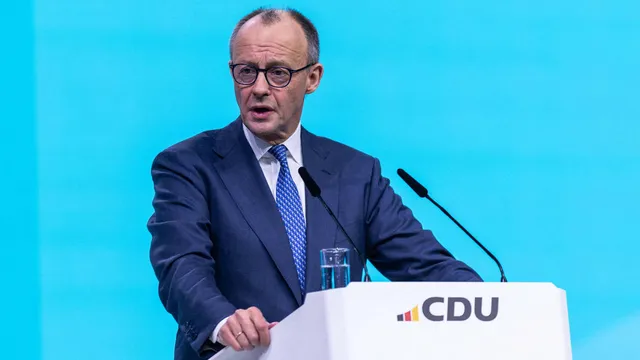
In Germany, Chancellor Friedrich Merz announced a proposal aimed at addressing the country's growing issue of workplace absenteeism, which he believes is detrimental to the economy. During a conference held by the Christian Democratic Union (CDU), the party voted unanimously in favor of the initiative to require employees to visit a doctor in person to obtain a sick note, rather than allowing them to call in from home. This change is a response to data showing that the average German worker takes 15 sick days per year, and that sickness-related absences cost employers approximately €82 billion annually. The criticism around absenteeism intensified when it was revealed that employees could secure five days off with just a phone call to their doctor due to regulations introduced during the COVID-19 pandemic. The CDU's new proposals suggest that easy access to sick notes encourages workers to make spur-of-the-moment decisions to call in sick without sufficient justification. Merz's comments reflect a broader concern regarding labor productivity and economic output, echoing worries voiced by business leaders who point to higher absenteeism rates compared to other European nations. Figures from the Institute for the Economy (IW) support Merz’s stance, indicating the significant economic burden caused by illness-related absences. Just recently, Ola Kallenius, chairman of Mercedes-Benz, remarked on the implications of high absenteeism for German businesses. The German population's average sick days raise alarms that Germany risks becoming the "sick man of Europe." On the other hand, opposition voices, particularly from Yasmin Fahimi, leader of the German Trade Union Confederation, criticized the proposal. Fahimi argued that this new approach unfairly casts suspicion on workers who legitimately call in sick, labeling them as potentially lazy or untrustworthy. This perspective emphasizes the need to balance economic concerns with fair treatment of employees. The ongoing discussion reflects a broader debate in Germany about work culture, employee rights, and the impact of labor policies on economic performance.

2026 All rights reserved
