

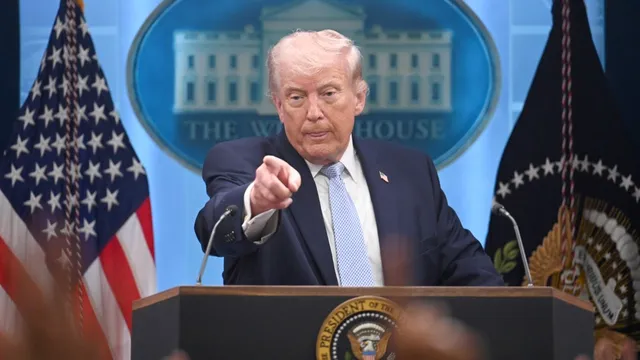
Trump announces two-week ceasefire deal with Iran
Trump announces two-week ceasefire deal with Iran
- President Donald Trump announced a two-week ceasefire in the conflict with Iran, contingent on Iran's agreement to reopen the Strait of Hormuz.
- The move follows extensive negotiations mediated by Pakistan and aims to facilitate a longer-term peace agreement.
- Markets responded positively to the announcement, showing a sharp decline in oil prices and increases in U.S. stock futures.
Story
On April 7, 2026, U.S. President Donald Trump announced a two-week ceasefire in the ongoing conflict with Iran, initially sparked by U.S. and Israeli airstrikes on February 28, 2026. The announcement followed talks mediated by Pakistan and came with the condition that Iran agree to the complete, immediate, and safe opening of the Strait of Hormuz, a critical waterway for global oil trade. Trump stated that he would suspend military actions against Iran, having claimed that the U.S. had fulfilled all military objectives. The ceasefire aims to provide a window for negotiating a longer-term peace deal between the two nations. Iran, through its Supreme National Security Council, signaled a conditional acceptance of the ceasefire, indicating that operations would pause if U.S. attacks ceased and the Strait of Hormuz reopened for navigation. The council mentioned that the ceasefire did not equate to the end of the war, emphasizing that they were ready to respond with force if provoked. While the announcement led to a significant plunge in oil prices and a spike in U.S. stock futures, it doesn't guarantee lasting peace as both sides have entered this ceasefire with many unresolved issues. The conditions attached to the ceasefire include a 10-point proposal from Iran, which Trump described as a workable basis for negotiations. However, Iran's proposal also included stipulations that could grant it greater control over the Strait of Hormuz, a move that the U.S. has historically resisted. Amid this environment of tension, both nations are looking to navigate a fragile ceasefire while maintaining their strategic positions. The ramifications of this agreement extend beyond immediate military considerations into the complex interplays of regional politics and economics. This ceasefire comes at a time of heightened volatility in oil markets, with analysts noting that oil prices had already been significantly affected due to threats surrounding shipping routes in the region. As public sentiment and international reactions unfold, the success of this two-week truce will greatly influence future negotiations and the broader landscape of U.S.-Iran relations.
Context
trends data impact geopolitical shift geopolitical shift strategic shift impact policy shift economic impact policy trends economic market insight economic impact policy policy shift economic impact insight analysis trends analysis global geopolitical geopolitical analysis data geopolitical geopolitical strategic trends trends strategic shift economic policy impact global shift impact trends shift policy impact global strategic insight shift shift data economic data trends insight shift insight analysis global insight strategic geopolitical impact insight economic strategic analysis geopolitical geopolitical market policy global data...


