military conflicts
tragic
impactful

Journalists injured in Israeli airstrike during live report in Lebanon

Mar 19, 2026, 2:20 PM20
(Update: Mar 19, 2026, 8:07 PM)
American comedian
Russian state-controlled international television network

Journalists injured in Israeli airstrike during live report in Lebanon

  • On March 19, 2026, a missile struck near journalists reporting live in Lebanon.
  • Steve Sweeney and cameraman Ali Rida were injured but miraculously survived.
  • The incident highlights the ongoing dangers faced by journalists in conflict areas.
Share opinion
Tip: Add insight, not just a reaction
2

Story

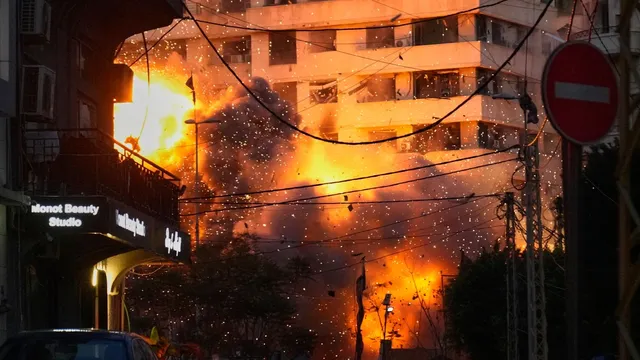
In southern Lebanon on March 19, 2026, a missile struck dangerously close to a British journalist and his cameraman while they were reporting live from the region. Steve Sweeney, the Lebanon bureau chief for the Russian state-funded news channel RT, and his cameraman Ali Rida were caught in the explosion during an Israeli airstrike that targeted locations believed to be used by Hezbollah. This incident underlined the dangers journalists face in conflict zones, as they strive to report the truth amidst unfolding violence. As the airstrike took place, Sweeney was documenting the situation when the missile detonated just a few feet away, sending both him and Rida to the ground. The explosion led to injuries, and both journalists were subsequently hospitalized due to shrapnel damage. Footage from RT captured the chaotic moment, emphasizing the tension and unpredictability of the area where they were operating. Despite the grave close call, the network confirmed that both journalists survived the incident, marking a miraculous escape from what could have been a fatal encounter. Margarita Simonyan, the editor-in-chief of RT, expressed her concerns about the safety of war correspondents online, emphasizing that they should not be considered targets amid military operations. The Israeli Defense Forces justified the strikes as necessary actions against perceived threats from Hezbollah, citing intelligence about their movements and weaponry in the region. The airstrike is a continuation of escalating tension in the area, which has seen numerous casualties and suffering among both combatants and civilians. This incident has sparked broader discussions about press freedom and the protection of journalists in conflict zones. The international community often grapples with how to safeguard reporters in these perilous environments. As Israel continues its military operations against Hezbollah, the risks for journalists attempting to cover such stories only increase. The situation remains tense, with ongoing developments in the region affecting not just combatants, but innocent civilians and those dedicated to bringing stories of conflict to a global audience.

Context

The impact of Israeli airstrikes on civilians in Lebanon has been a significant humanitarian crisis marked by loss of life, displacement, and disruption of essential services. These airstrikes, often part of broader military operations, have resulted in considerable civilian casualties, raising concerns about adherence to international humanitarian law and the rules of engagement during conflict. The ability of military forces to distinguish between combatants and civilians is critical, yet the high number of non-combatant fatalities suggests a failure to minimize harm to civilians. This conflict has caused not only immediate deaths and injuries but also long-term psychological effects on survivors, particularly children who witness such violence. The airstrikes have also led to extensive damage to civilian infrastructure, including homes, schools, and hospitals. Many neighborhoods have been rendered uninhabitable, causing large-scale displacement of families who are forced to seek refuge in safer areas. The influx of internally displaced persons has strained resources in host communities, complicating the provision of humanitarian aid. The destruction of essential services, such as water supply, electricity, and healthcare facilities, exacerbates the suffering of civilians, who find themselves in increasingly dire living conditions. Access to food and medical supplies becomes limited, contributing to a deterioration in public health and overall quality of life. Additionally, the sociopolitical context of airstrikes on Lebanon raises questions about the efficacy and morality of such military strategies within conflict zones. The international community often calls for ceasefires and negotiations to protect civilians, yet these appeals frequently go unheeded amid ongoing hostilities. The cycles of violence not only deepen societal divides but also hinder efforts towards peace and reconciliation. Long-term consequences of the airstrikes include potential radicalization of the population affected and a generation of youth growing up with the traumas of war, which could have significant implications for stability in the region. In conclusion, the impact of Israeli airstrikes on civilians in Lebanon is multifaceted, involving significant human, social, and infrastructural costs. These airstrikes demonstrate the urgent need for a reevaluation of military strategies that prioritize the protection of civilians. Emphasis must be placed on diplomatic avenues and conflict resolution techniques that minimize civilian harm and foster dialogue. As the humanitarian situation evolves, the responsibility to ensure the protection of civilians in conflict zones remains paramount for all parties involved, along with a commitment to uphold international humanitarian standards.

2026 All rights reserved