

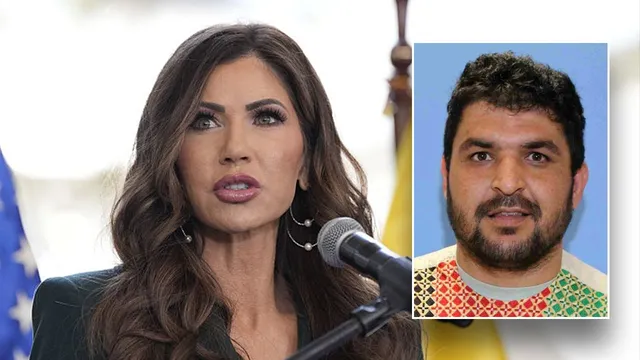
Kristi Noem claims radicalization of National Guard shooter occurred in the US
Kristi Noem claims radicalization of National Guard shooter occurred in the US
- Kristi Noem stated that Rahmanullah Lakanwal was radicalized in the United States after his arrival.
- She criticized the Biden administration for failing to properly vet Afghan nationals allowed into the country.
- The ongoing investigation is focused on understanding Lakanwal's motives and the circumstances leading to the shooting.
Story
In Washington D.C., a tragic shooting incident involving two members of the National Guard occurred recently, resulting in the death of Sarah Beckstrom and leaving another individual, Wolfe, critically injured. This incident has triggered significant discussion regarding the vetting process for Afghan nationals who entered the United States during Operation Allies Welcome. Kristi Noem, the Department of Homeland Security Secretary, stated in a recent interview that the alleged shooter, 29-year-old Rahmanullah Lakanwal, was likely radicalized after arriving in the U.S. She emphasized that Lakanwal's radicalization might have been influenced by connections within his community and home state. Noem criticized the Biden administration for its vetting procedures, claiming that inadequate checks facilitated Lakanwal’s entry into the country in 2021. The DHS earlier indicated that Lakanwal, who had been vetted by the National Counterterrorism Center and CIA, had no known ties to terrorist groups. However, Noem's comments suggest that his subsequent actions indicate a failure in the system, calling for increased scrutiny of those who interacted with him. The investigation into the motives behind Lakanwal's actions is ongoing, and the circumstances surrounding his behavior before the shooting have raised questions. Prior to the attack, reports emerged detailing erratic behavior from Lakanwal, with concerns raised by community members regarding his mental state. Given the background of the situation, there has been increasing pressure to ensure the safety of Afghans entering the U.S. in light of the significant numbers admitted following the fall of Afghanistan's government. The arrival of approximately 200,000 Afghans during Operation Allies Welcome has been a topic of political discourse, especially as the current administration seeks to ensure the safety and integration of these individuals. Notably, the ongoing political ramifications of this shooting have unleashed a wave of criticism directed toward the Biden administration regarding the refugee and asylum application processes. The situation has evoked strong reactions from former President Donald Trump, who has called for a cessation of refugee and asylum applications for Afghan nationals in the aftermath of the shooting. Noem's assertion that Lakanwal was radicalized on American soil and her emphasis on the necessity of re-evaluating the vetting processes reflect the complexities surrounding immigration, national security, and community safety. This incident has not only led to discussions about individual cases but has also ignited a larger ideological battle over immigration policies and practices in the United States.
Context
impact market strategic analysis trends global global insight global global market policy policy trends geopolitical geopolitical strategic strategic strategic insight policy strategic economic shift insight shift policy geopolitical market impact strategic trends impact impact policy analysis trends insight shift policy geopolitical geopolitical shift insight insight analysis economic insight data policy analysis impact data policy strategic market economic trends trends insight market data impact strategic impact trends market global shift shift trends economic impact shift data analysis analysis geopolitical insight insight...


