

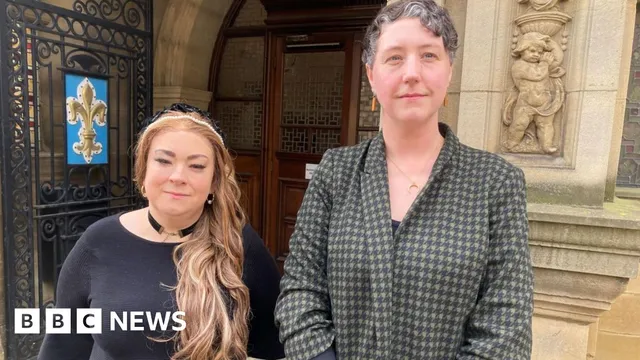
Travellers voice concerns over battery storage plans in Wakefield
Travellers voice concerns over battery storage plans in Wakefield
- Harmony Energy is appealing against Wakefield Council's refusal to install a battery energy storage system.
- Local travelers groups claim the proposed site would negatively impact residents with excessive noise.
- The outcome of this inquiry will influence future developments in the area.
Story
In Wakefield, a public inquiry was held regarding Harmony Energy's appeal against the council's refusal of permission to install a lithium-ion battery energy storage system (BESS). The proposed site is adjacent to a caravan and mobile home community at Heath Common, which raised concerns from local residents about potential noise pollution affecting their living conditions. Notably, many of the residents are Romany Gypsies and Irish Travellers, who are entitled to protections under the Equality Act. Stakeholders voiced concerns, highlighting that the unique nature of mobile homes would lead to increased noise sensitivity in contrast to traditional housing. Ellie Rogers, chief executive of the Leeds Gypsy and Traveller Exchange (GATE), emphasized that the noise generated by the BESS could exacerbate the already challenging living conditions faced by residents. She argued that many occupants sleep in poorly insulated touring caravans, making them particularly vulnerable to noise disturbances. The community, established in 1968, currently has 38 plots, and Steve Hall from Harmony Energy claims that noise levels would remain below background levels during all times of the day. However, this assertion was contested by the local community's representatives who felt that the impact had not been adequately assessed by the council. The inquiry revealed that the travelers site is already overcrowded, with plans to expand the accommodation failing to progress, intensifying concerns about safety and noise levels. Residents fear that added noise from the proposed facility would worsen their situation. The environmental health officer from the council previously agreed with the developer's expert assessment which suggested no unacceptable noise levels would arise from the site. Nevertheless, this assessment does not seem to alleviate residents' worries, as they point out how living conditions differ markedly between single-family homes and communal caravan living. As the hearing continues, it remains a critical point of contention that balances the needs for renewable energy development against the well-being and rights of the local community of Gypsies and Travellers. The outcomes of this inquiry could set a precedent for similar developments in locations nearby, with local advocacy groups closely monitoring the situation. Given the ongoing debates around renewable energy infrastructure and community rights, the developments in Wakefield may garner wider attention and potential implications on energy policies and community engagement efforts across the country.


