

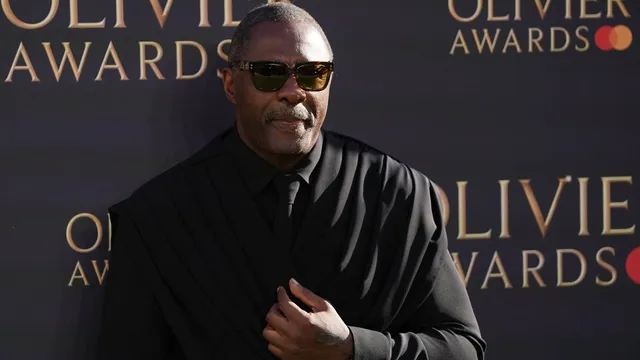
Idris Elba convicted for speeding at 28mph in London
Idris Elba convicted for speeding at 28mph in London
- Idris Elba was caught speeding at 28mph in a 20mph zone on Chelsea Embankment.
- He was prosecuted without receiving the fixed penalty notice, leading to complications in resolving the matter.
- The court ultimately imposed a fine and penalty points, emphasizing justice was served despite procedural issues.
Story
In June last year, actor Idris Elba was caught exceeding the speed limit on his BMW moped in central London. The incident took place along Chelsea Embankment, where a speed camera recorded his speed at 28 mph in a 20 mph zone. Following a legal process, he was prosecuted by the Metropolitan Police and invited to resolve the matter with a fixed penalty notice, which he contended never arrived. His legal counsel argued that he had initially responded to the police regarding his status as the rider but did not receive the subsequent fixed penalty offer, thus hindering a chance to settle the matter out of court. After representation by motoring offence specialists, the case was handled in court where Sir Idris pleaded guilty to the speeding offence. Although he maintained that he did not receive proper notice for the fixed penalty, the court still imposed a £147 fine along with three penalty points on his driving licence. Additionally, he was required to pay costs of £110 and a £59 victim surcharge. The prosecution was streamlined under the Single Justice Procedure, allowing the matter to be resolved privately and swiftly based on written evidence rather than requiring physical attendance at a courtroom. The incident received media attention not just for the speeding aspect but also due to Elba's renowned enthusiasm for mopeds, which has been highlighted in popular culture, including references in a Taylor Swift song. This incident coincided with an announcement of his collaboration on a Netflix movie linked to a charity headed by the British monarchy, adding a layer of public interest to his legal troubles. In letters submitted to the court, his legal representatives emphasized his clean driving record and argued that imposing additional penalties would be unjust given the circumstances of their client's case. They highlighted how compliant he was in wanting to deal with the charges properly and how he was left without proper notification of the fixed penalty. In the court ruling, the magistrate's decision to proceed without further aggravating financial penalties reflected the unique nature of the situation. This case intersects both the public persona of Idris Elba as a beloved celebrity and the mechanical strictures of traffic law in a densely populated urban area like London. Thus, it also evokes a conversation about the traffic regulations and enforcement practices applied to all road users, regardless of their fame or status, suggesting the broader implications for celebrity accountability in the public eye.


