

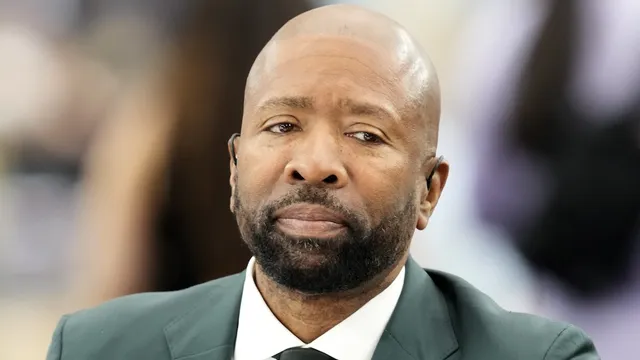
North Carolina hires Michael Malone as new head coach amid NCAA coaching search
North Carolina hires Michael Malone as new head coach amid NCAA coaching search
- North Carolina fired Hubert Davis and opened its search for a new head coach, with the college basketball transfer portal now open.
- Several high-profile candidates declined interest, while Billy Donovan was seriously considered for the position.
- Ultimately, Michael Malone was hired as the head coach, marking a pivotal moment for the program's future.
Story
In the United States, after firing Hubert Davis nearly two weeks ago, the University of North Carolina was still searching for a head coach to replace him. The college basketball transfer portal opened on April 6, 2026, adding urgency to the search. Key candidates such as Tommy Lloyd from Arizona and Dusty May from Michigan removed themselves from consideration. Despite multiple NBA openings potentially wooing him, Billy Donovan expressed interest in the Tar Heels position and discussed potential staff if hired. However, in a twist, the university ultimately hired former Denver Nuggets coach Michael Malone. Meanwhile, Dusty May confirmed that he intends to stay at Michigan and will not entertain other college opportunities, leaving open the possibility of NBA interest this offseason. As discussions continued regarding the head coaching position at North Carolina, industry insiders noted that the NCAA's evolving landscape, including the importance of the transfer portal and NIL deals, added complexity to the recruiting and hiring process. The expectations associated with the prestigious UNC program weighed heavily on potential candidates, leading to swift rejections from several top names. Malone's hiring marks a significant shift for the Tar Heels as they attempt to reinvigorate their program after a tumultuous period. Moreover, May's commitment to remain at Michigan raises questions about whether he will attract interest from NBA teams, particularly after a successful run with Florida Atlantic and his proven track record in coaching. Several NBA franchises, including the Orlando Magic and New Orleans Pelicans, may consider May due to his recent coaching success and the prestige associated with his name in basketball circles. In conclusion, North Carolina's decision to hire Michael Malone signals a new direction for the historic program as they navigate the challenges presented by modern college basketball dynamics, while other coaching candidates maintain a cautious approach amid potential NBA offers and shifting commitments.
Context
The NCAA transfer portal has fundamentally altered the landscape of college athletics, particularly in the realm of coaching hires. This digital platform, implemented in 2018, allows student-athletes to enter their transfer intentions freely, enabling them to explore new opportunities while providing programs the chance to recruit talent from a wider pool. As coaches navigate the increasingly competitive environment of college sports, the impact of the transfer portal is palpable, influencing not only recruitment strategies but also the urgency behind hiring decisions. Coaches are now tasked with maintaining not just the talent they have but also understanding the dynamics of incoming transfers, compelling them to reevaluate their approaches to building rosters. In recent years, this phenomenon has prompted athletic departments to consider the implications of coaching hires with a new lens. Traditionally, coaching candidates were primarily assessed based on their track records, leadership qualities, and ability to develop talent. However, the transfer portal has introduced a new layer of complexity, as successful coaches must also demonstrate their prowess in attracting and integrating transfers into their programs. Programs that have historically relied on high school recruiting are now forced to adapt quickly to this evolving trend; otherwise, they risk falling behind competitors who have embraced transfer recruitment. As a result, coaching searches now prioritize candidates with a proven ability to leverage the transfer portal effectively. Moreover, the dynamics of team composition are changing due to the enhanced mobility of student-athletes. Coaches are faced with the challenge of creating cohesive teams in environments where player turnover is more frequent. In this context, the demand for adaptability and strategic foresight is greater than ever, as coaches must develop rapport with both current players and incoming transfers. Relationships and chemistry between players become vital components of a successful program, suggesting that athletic departments are now looking for candidates who can foster a positive and unified team culture amidst the transition that accompanies new additions from the transfer portal. Ultimately, the NCAA transfer portal is reshaping the coaching landscape by altering the way athletic departments conduct searches and evaluate candidates. This shift has led to a more dynamic and fluid model of team building, where coaches are not only responsible for training athletes but also for recruiting effectively to fill in gaps quickly as rosters are reshaped through transfers. The implications of this change will continue to unfold as more student-athletes seek new opportunities, making it imperative for coaching candidates to adapt their strategies accordingly, embracing the challenges and opportunities presented by the transfer portal.


