

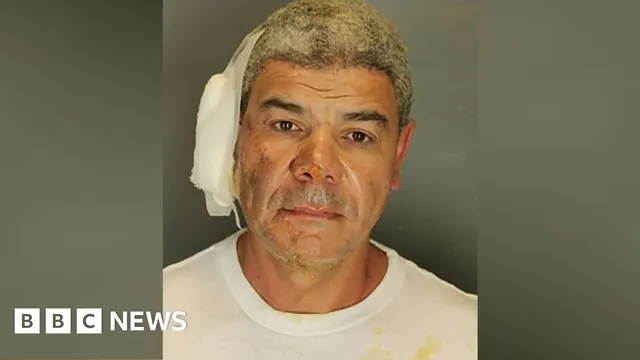
Firebombing suspect pleads guilty to murder of demonstrator in Colorado
Firebombing suspect pleads guilty to murder of demonstrator in Colorado
- Mohamed Sabry Soliman pleaded guilty to first-degree murder for a firebombing incident at a demonstration in Boulder, Colorado.
- The attack caused the death of one person, Karen Diamond, and injured at least 12 others.
- The case highlights the consequences of political extremism and raises questions about hate crime legislation.
Story
In 2025, a tragic firebombing incident occurred during a demonstration in Boulder, Colorado, aimed at advocating for the release of Israeli hostages in Gaza. The assailant, Mohamed Sabry Soliman, was accused of throwing Molotov cocktails at a group of demonstrators, which resulted in the injuries of at least 12 individuals and the death of one, 82-year-old Karen Diamond. Soliman reportedly spent a year planning the attack, driven by a desire to harm those he politically opposed. After pleading guilty to first-degree murder, Soliman faced significant charges in state court, which included more than 100 counts ranging from attempted murder to animal cruelty. His actions were not only premeditated, but he also allegedly expressed intentions to target participants in the demonstration. Witnesses described a horrifying scene where Soliman unleashed his attack while shouting political slogans and later voiced regret during his court appearance. His acknowledgment of guilt was perceived by some as a reluctant admission rather than true accountability. Soliman's sentencing resulted in a life imprisonment term without the possibility of parole. His plea deal did not seek leniency but rather accepted the overwhelming evidence against him. Additionally, he faces federal hate crime charges stemming from the incident, which his defense argues are inconsistent with his prior conduct and motivations. The familial impact of this tragedy resonated deeply, with the victims’ families expressing anguish over the tragedy that altered their lives forever. In the aftermath, discussions surrounding hate crimes, political motivations, and the influence of extremist views have been intensified. The legal ramifications of Soliman's actions prompted extensive consideration of how politically charged emotions can lead to violent outcomes. As his case progresses, it raises broader questions about the judicial system's ability to effectively address hate-driven violence and the balance between freedom of expression and the protection of individual safety.


