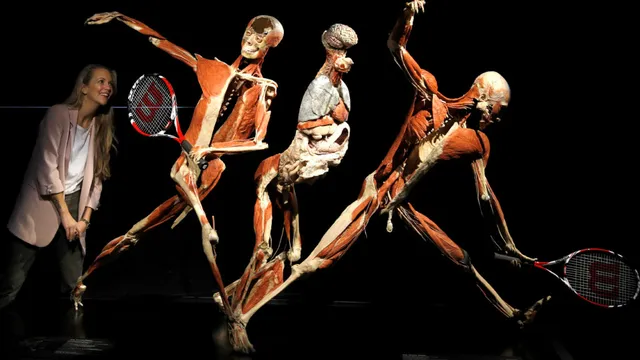
Gunther von Hagens' Body Worlds exhibitions have significantly impacted the field of anatomical education and public understanding of human biology since their inception. The first Body Worlds exhibition opened in 1995 in Japan, showcasing preserved human bodies through a process called plastination, which was developed by von Hagens himself. This innovative technique allows for the preservation of biological tissues while maintaining their natural appearance, enabling viewers to explore the intricate details of human anatomy in a way that was previously unimaginable. The exhibitions have traveled to numerous countries, attracting millions of visitors and sparking discussions about health, mortality, and the ethical implications of displaying human remains.
Over the years, Body Worlds has expanded its focus beyond mere anatomical displays to include themes that resonate with contemporary societal issues. For instance, exhibitions have addressed topics such as the effects of lifestyle choices on health, the aging process, and the importance of organ donation. By presenting these themes through the lens of human anatomy, Body Worlds aims to educate the public about the human body and encourage healthier living. The exhibitions have also been instrumental in fostering a greater appreciation for the complexity of human life and the fragility of the human condition.
The success of Body Worlds can be attributed not only to its educational value but also to its ability to provoke thought and discussion. Critics and supporters alike have engaged in debates regarding the ethical considerations of displaying human bodies in a public setting. Von Hagens has defended his work by emphasizing the importance of informed consent and the educational purpose behind the exhibitions. He has also highlighted the role of Body Worlds in demystifying the human body and promoting a deeper understanding of anatomy, which can ultimately lead to better health outcomes.
As of 2026, Body Worlds continues to evolve, with new exhibitions and themes being developed to keep pace with advancements in medical science and public interest. The exhibitions remain a powerful tool for education and engagement, bridging the gap between art, science, and public health. Gunther von Hagens' Body Worlds has not only transformed the way we view human anatomy but has also left an indelible mark on the landscape of medical education and public discourse.