

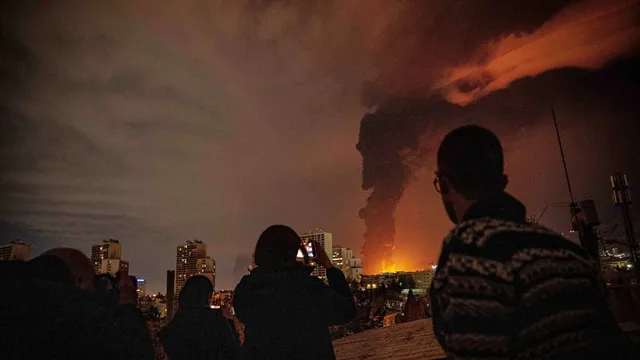
Iran escalates attacks on Gulf energy infrastructure amid rising tensions
Iran escalates attacks on Gulf energy infrastructure amid rising tensions
- Iran has intensified military strikes on energy sites across the Gulf, particularly targeting Qatar's key infrastructure.
- The conflict has led to significant civilian casualties, with over 2,000 reported deaths across the region.
- The escalation poses alarming risks to global energy supplies and economic stability, prompting urgent calls for resolution.
Story
The recent escalation in the Iran war has intensified, with significant military actions taking place across the Middle East. Iran retaliated against Israel's attack on South Pars, the largest gas field in the world, by launching attacks on energy facilities in neighboring Gulf states, including Qatar's Ras Laffan Industrial City. This escalation marks a pivotal moment in the conflict, with Iranian officials indicating that the Strait of Hormuz will not return to its prewar state. Over 2,000 people have died due to the ongoing hostilities, illustrating the grave human cost of this conflict. The escalation of strikes has widened the scope of the conflict, leading to fears of disruptions in global energy supplies. Economists have warned that this situation could trigger a global economic shock, exacerbating price rises and creating shortages for billions of people. Major economies and allies of the U.S. in the Gulf have expressed grave concerns about the potential fallout from Iran's military actions, stressing the urgent need for a resolution. In response to heightened tensions, U.S. President Donald Trump has issued strong warnings regarding future strikes on Iranian assets, stating that the U.S. would respond with substantial force if Iran continues targeting U.S. ally Qatar. This development has led to significant fluctuations in oil prices, with Brent crude prices spiking amid rising fears of further military confrontations. The situation remains volatile, with both regional players and global powers calling for restraint. The broader implications of this conflict touch upon international relations, economic stability, and humanitarian concerns. As countries across the Gulf contemplate their next steps, the potential for increased military engagement looms large. The escalating violence could have long-lasting effects not only in the Middle East but across the global economy as well, as nations grapple with the consequences of disrupted energy supplies and rising tensions in a critical region.
Context
The ongoing tension between Iran and Israel has been exacerbated in recent years, particularly in response to Israeli military actions that target Iranian interests in the region. Iran has articulated its position as a defender of its sovereignty and regional allies, often framing Israeli attacks as acts of aggression. In particular, the escalation has involved Iran's military interventions in Syria and its support for proxy groups in Lebanon and Gaza, which are viewed by Israel as immediate threats to its national security. Israeli airstrikes have targeted Iranian weapon shipments and facilities, aiming to curtail Iran's growing influence and military capabilities. This cycle of retaliation has resulted in a complex geopolitical scenario that sees both nations engaging in a struggle for dominance in the Middle East. In recent developments, Iran has responded to these Israeli strikes with a mix of rhetorical condemnation and increased military readiness. Iranian officials have vowed to retaliate against any further incursions and have demonstrated their commitment by enhancing their missile capabilities and supporting asymmetric warfare tactics through their proxies. The Iranian leadership perceives this response as necessary to maintain deterrence against Israeli aggression and to rally support among its domestic and regional audiences. As tensions rise, both Iran and Israel remain caught in a feedback loop of provocation and retaliation that threatens to spill over into broader regional conflict. The implications of this ongoing conflict extend beyond the immediate actors involved, influencing various regional and global dynamics. For neighboring countries, both Sunni and Shiite states are closely monitoring the conflict as it shapes alliances and rivalries. Countries like Saudi Arabia and the Gulf States may view Iranian military expansions and capabilities with concern, potentially driving them closer to Israel in a realignment of interests against a common adversary. The United States and other Western nations also view this conflict through the lens of countering Iranian influence, often supporting Israeli actions and expressing solidarity with its right to defend itself. This international involvement adds another layer of complexity to the already volatile situation. As of March 2026, the potential for further escalation remains high. Diplomatic channels have been largely ineffective in de-escalating the conflict, and both Iran and Israel appear unwilling to back down from their respective stances. The risk of miscalculation or miscommunication during military operations could lead to unintended consequences that might draw in additional regional or international actors. It is crucial for stakeholders in this conflict to recognize the importance of mitigating tensions and exploring avenues for dialogue to prevent a larger-scale confrontation that could destabilize the region and have far-reaching global repercussions.


