

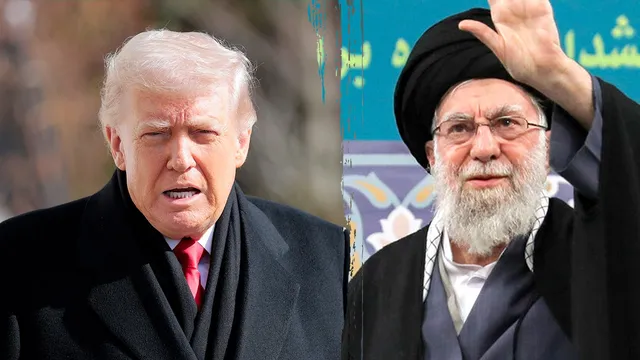
Trump warns Khamenei of significant concerns as tensions rise
Trump warns Khamenei of significant concerns as tensions rise
- Donald Trump expressed that Iranian Supreme Leader should be very worried during an NBC interview.
- Diplomatic talks between the U.S. and Iran are set for February 6, 2026 in Oman, with differing expectations from both parties.
- The situation remains tense as recent military encounters and Iran's internal dissent complicate the diplomatic landscape.
Story
In the face of rising tensions between the United States and Iran, President Donald Trump voiced concern for Iranian Supreme Leader Ali Khamenei, stating that he should be worried. This assertion was made during an interview with NBC News on February 4, 2026. The backdrop of this warning includes a series of violent protests in Iran that have resulted in thousands of casualties, highlighting the regime's increasing vulnerability. As the U.S. prepares to engage in diplomatic talks with Iran, scheduled for February 6 in Oman, the stakes are high due to the potential for military confrontations if Iran continues its nuclear enrichment activities. Further complicating the situation, the nature of the upcoming talks remains unclear, as both sides have differing expectations on what should be discussed. Iran’s Foreign Minister, Abbas Araghchi, stated that the focus should be solely on Iran’s nuclear program, while U.S. officials, including Secretary of State Marco Rubio, advocate for a broader agenda that includes discussions about Iran's ballistic missiles, support for militant groups, and human rights issues. The contrasting positions reflect ongoing tensions and distrust between the two nations, exacerbated by past hostilities. Military activities have also intensified, as evidenced by the recent downing of an Iranian drone by a U.S. jet following its aggressive approach to the USS Abraham Lincoln in the Arabian Sea. These hostile encounters indicate a precarious military standoff, which could easily escalate into armed conflict if diplomatic avenues fail. Trump’s comments and military movements mark a significant moment in U.S.-Iran relations, where diplomacy and threats are intertwined, creating a complex and historically fraught dynamic. As the dialogue unfolds, the potential for further escalation remains a concern, particularly given the widespread dissent within Iran and the government’s heavy-handed response to protests. The aftermath of the discussions in Oman will likely shape the future of U.S.-Iran relations, affecting not only regional stability but also international perceptions of both countries' commitments to diplomacy and conflict resolution. Should the talks falter, it could lead to a renewed cycle of threats and military action, further entrenching the deeply rooted conflicts in the Middle East and beyond.


