

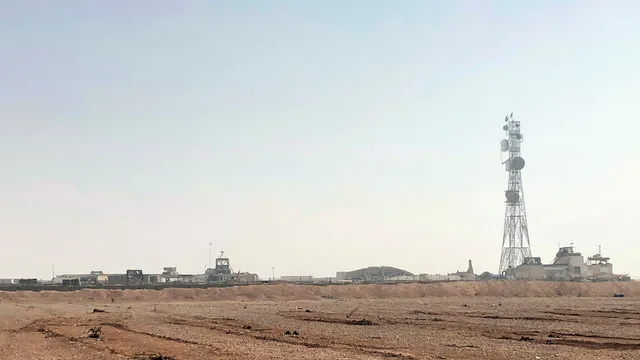
Syrian forces take control of strategic al-Tanf base from U.S. hands
Syrian forces take control of strategic al-Tanf base from U.S. hands
- Syrian government forces have taken control of the al-Tanf base, previously managed by the U.S. military for several years.
- The takeover was coordinated with U.S. military representatives, indicating a significant shift in military presence in the region.
- This event reflects the evolving power dynamics in Syria, with implications for future stability and security in the region.
Story
In eastern Syria, the Syrian government forces have taken control of the al-Tanf base, a strategic military facility that had been under U.S. military's administration for several years. The handover was confirmed by the Syrian Defense Ministry, which stated that this transfer occurred in coordination with U.S. military representatives. It marks a significant shift in the control of the area, which is vital for regional security given its proximity to the borders of Jordan and Iraq. The al-Tanf base has previously been a key site in the fight against the Islamic State group, which declared a caliphate across parts of Syria and Iraq in 2014. The U.S. military has operated at this base aiming to curb IS expansion, and the base has seen drone attacks from Iran-backed groups over the years but these attacks reportedly reduced recently after internal shifts in Syrian power dynamics. Following the fall of Bashar Assad's government in December 2024, there have been pivotal changes leading to the Syrian government regaining control over various territories. The move to secure the al-Tanf base coincides with the recent deal between the Syrian government and the U.S.-backed Syrian Democratic Forces (SDF) to merge military operations. As a result, the deployment of Syrian troops around the al-Tanf garrison is now underway, with border guards expected to be established shortly. The base played a significant role not only as a military position but as a symbol of U.S. involvement in the region. Its handover indicates a potential shift in the balance of power and reduced U.S. influence in the ongoing Syrian conflict. As the situation evolves, the implications of this transfer could ripple through the region. The framework of Syrian governance under interim President Ahmad al-Sharaa appears to be consolidating control, which might lead to further escalations or negotiations with various local and international factions still engaged in the Syrian conflict. The dynamics of the conflict continue to be fluid, with the ongoing threat of emerging terrorist groups and local dissent conspiring with regional geopolitics, requiring close observation of further developments surrounding al-Tanf and its strategic significance.
Context
The al-Tanf military base, strategically located in southeastern Syria near the borders with Jordan and Iraq, has played a significant role in the Syrian conflict since its establishment. The base has been used primarily by the United States and allied forces to counter the influence of various militant groups, most notably ISIS and Iranian-affiliated forces in Syria. Its location makes it a crucial point for monitoring and controlling the movement of these groups, allowing coalition forces to conduct operations aimed at destabilizing their activities. Since its establishment as a temporary base for U.S. troops in 2016, al-Tanf has evolved into a focal point for international operations against ISIS, making it vital not just militarily but also in terms of international diplomatic relations regarding the Syrian crisis. The importance of the al-Tanf base is further amplified by its role in supporting local opposition groups. The U.S. has utilized al-Tanf to train and equip Syrian rebels affiliated with the Free Syrian Army, fostering a local resistance against both ISIS and the Assad regime. This involvement has been contentious, as it positions the U.S. directly against both Russian and Iranian interests in the region, who are backing Assad’s government. The base thus serves not only as a military outpost but also as a symbol of U.S. commitment to maintaining a presence that counters Iranian expansionism and supports democratic aspirations in Syria. Throughout the conflict, al-Tanf has faced challenges, including frequent skirmishes with Iranian-backed militias and drone attacks that aim to disrupt U.S. operations. The continued presence of U.S. troops at the base is often debated, particularly regarding its effects on the broader geopolitical climate in the Middle East. Tensions have been exacerbated by Iran's persistent efforts to bolster its influence in southern Syria, which al-Tanf directly counters. This complex interplay of military and diplomatic maneuvers at al-Tanf makes it a hotspot for potential conflict escalation if not managed delicately. Looking forward, the future of al-Tanf remains uncertain amid shifting alliances and ongoing hostilities. The evolving situation in Syria, particularly with the possibility of a renewed focus on diplomatic solutions, creates a landscape where the strategic role of al-Tanf could change. However, its current function as a military stronghold remains crucial for thwarting the resurgence of ISIS and countering Iranian assertiveness. As international dialogue continues, the challenges surrounding al-Tanf will shape not only the fate of the base itself but also the broader dynamics of the Syrian conflict and the interests of various international actors involved.


