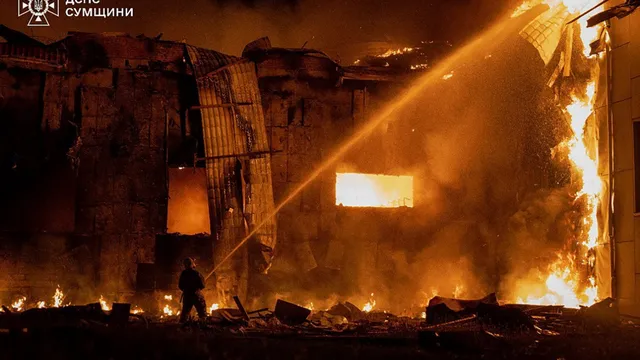
The impact of drone strikes on civilians in Ukraine has become a critical area of concern amid ongoing conflicts. As drone technology has advanced, its use in military operations has increased significantly, leading to both strategic advantages and severe humanitarian consequences. The precision of drone strikes is often touted as a means to minimize collateral damage; however, the reality on the ground frequently tells a different story. Civilian casualties, displacement, and psychological trauma are just a few of the adverse effects that have been documented as a result of these operations. Reports indicate that many drone strikes have occurred in populated areas, raising questions about the ethical implications of such military tactics and the responsibility of operators to protect non-combatants.
In Ukraine, the use of drones has been particularly pronounced in urban settings, where the density of the population complicates the distinction between combatants and civilians. The aftermath of these strikes often reveals a tragic pattern: families torn apart, homes destroyed, and communities left in despair. The data collected from various human rights organizations highlights a troubling trend of increasing civilian casualties, which not only exacerbates the humanitarian crisis but also fuels resentment and hostility towards military forces. This cycle of violence and retribution poses significant challenges to peace efforts and long-term stability in the region.
Moreover, the psychological impact of drone strikes on civilians cannot be overstated. The constant threat of aerial attacks creates an environment of fear and anxiety, leading to long-term mental health issues among affected populations. Children, in particular, are vulnerable to the effects of such trauma, which can hinder their development and well-being. The normalization of violence through the use of drones may also desensitize communities to conflict, perpetuating a cycle of violence that is difficult to break. Addressing these psychological ramifications is essential for any comprehensive approach to conflict resolution and rebuilding trust within communities.
In conclusion, while drone strikes may offer tactical advantages in military operations, their impact on civilians in Ukraine raises significant ethical and humanitarian concerns. The evidence suggests that the use of drones in populated areas leads to unacceptable levels of civilian casualties and suffering. As the international community grapples with the implications of drone warfare, it is imperative to prioritize the protection of civilians and to seek alternative strategies that minimize harm. A thorough examination of the consequences of drone strikes is essential for informing future military policies and ensuring that the rights and dignity of all individuals are upheld in conflict situations.