

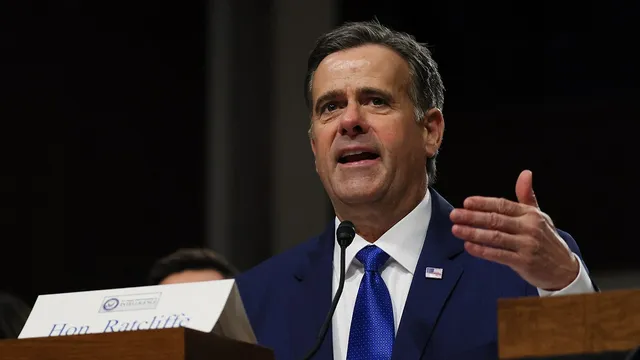
CIA acknowledges political bias and retracts 19 flawed intelligence assessments
CIA acknowledges political bias and retracts 19 flawed intelligence assessments
- CIA Director John Ratcliffe ordered the retraction of 19 intelligence assessments evaluated for political bias.
- The assessments were identified through an independent review and deemed not meeting analytical standards.
- This decision marks a significant acknowledgment of past political influences in CIA intelligence analyses.
Story
In the United States, CIA Director John Ratcliffe announced on a Friday that 19 intelligence assessments produced over the past decade were retracted or revised due to concerns over political bias. The assessments were reviewed by the President’s Intelligence Advisory Boardwhich identified that they did not adhere to standards expected of the agency's analytic workforce. Ratcliffe emphasized the CIA's commitment to objectivity and transparency in intelligence analysis, stating that the flawed assessments failed to reflect the high standards for which the agency is known. The retracted documents included reports on topics such as radicalization among White women and the treatment of LGBT activists in the Middle East. The assessments were produced during the Obama administration and included critiques of various social issues under the lens of national security. Ratcliffe's decision is viewed as a significant moment, being the first official acknowledgment of potential political bias permeating the agency's past analyses. Previous CIA actions included reliance on questionable sources, such as political activist groups, suggesting a deeper concern about the integrity of the information being released. Such actions have far-reaching implications, especially when considering how they may have influenced public opinion and policy decisions in the past. Past intelligence shortcomings raised alarms about the credibility of the intelligence community, challenging the longstanding narrative that it remains free of political influence. Responses from political leaders have been mixed, with some supporting Ratcliffe's diligence in correcting the records, while others express concern that the rectifications undermine the nonpartisan integrity of intelligence work. The review identified that much of the politically influenced assessments revolved around issues of diversity and inclusion, revealing broader discussions about intelligence methods and policy interpretations. This event was significant not just for the CIA, but also for the implications it has on public trust and the perceived independence of intelligence operations. Critics worry that these moves may erode confidence in the impartiality expected from one of America's most important intelligence entities. The acknowledgment of failure in delivering objective analysis showcases a critical moment for the CIA as it looks to regain public confidence and ensure that its future assessments adhere to the ideals of objective analysis and thorough fact-checking.


