
Destructive fishing methods thrive in Scotland's protected marine areas
- Environmental groups report that effective management is lacking for the majority of Marine Protected Areas in Scotland.
- Fishermen are observing significant declines in inshore fish populations due to damaging fishing methods.
- The future of fishing livelihoods in Scotland is at risk, prompting a call for enhanced marine protections.
Story
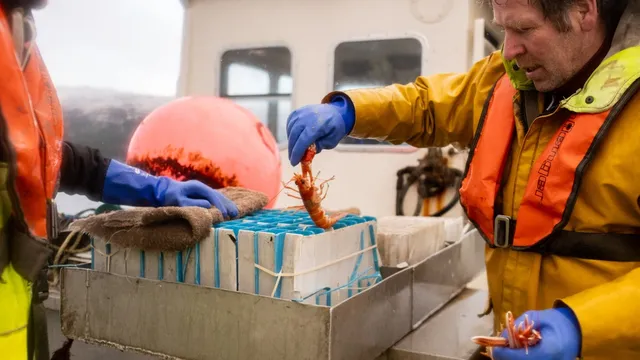
Scotland has designated 37% of its marine waters as Marine Protected Areas (MPAs), yet enforcement of protection measures remains a significant issue. Environmental groups have noted that only a small fraction of these areas have effective management in place. The practice of bottom trawling and scallop dredging continues in around 95% of Scotland's coastal waters, where even within protected regions, these destructive methods are commonly allowed. As a result, many fishermen, like Bally Philp from the Isle of Skye, have observed a stark decline in fish availability, prompting concern for both marine ecosystems and local fisheries. Bally Philp, who has fished in these waters for over three decades, expressed that he has seen diminishing fish stocks, stating there are no commercial quantities of fish left inshore. He discouraged his own sons from pursuing fishing careers, highlighting the need to adapt by moving to less fished areas. The ongoing damage is expected to impact not only the marine ecosystem but also the tourism industry that relies heavily on healthy marine life. Declines in fish populations trigger cascading effects that disrupt the entire food chain. Recent reports indicate that levels of bottom trawling have only increased over recent years, with a 2024 report stating that 90% of protected marine sites across multiple European countries reported bottom trawling incidents. This has raised alarms among conservationists and prompted ongoing discussions surrounding fisheries management. The Scottish government has indicated intentions to update fishing regulations and improve protection in coastal areas, but efforts are not expected to materialize until at least late 2025. The community is caught in a struggle to balance economic needs with environmental preservation, as fishing families like Philp's witness first-hand the consequences of poor management. There is a strong sense of urgency among local fishermen and conservationists alike to initiate change before further harm occurs to Scotland's invaluable marine resources. The government aims to implement additional restrictions to not only protect marine areas but also address the challenges facing the fishing community within a short timeframe leading up to 2030.
