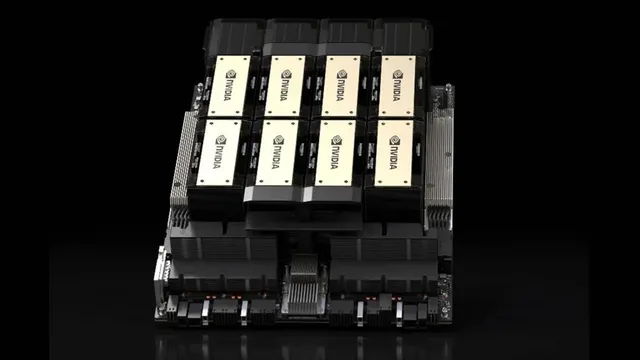
In a significant development for the technology sector, China has decided to permit its leading artificial intelligence companies to acquire a limited number of H200 chips from Nvidia. This decision marks a notable shift in the country's approach to U.S. technology imports, particularly in the context of ongoing geopolitical tensions between the two nations. The approval process requires companies to specify the quantity of chips they need and the rationale behind their requests, indicating a controlled and cautious approach by Chinese authorities. Major firms such as Alibaba Group Holding, ByteDance, and DeepSeek have been informed of this new policy, which is expected to facilitate advancements in AI model development within China.
The H200 chips are highly sought after for their capabilities in enhancing AI technologies, making them a focal point in the broader U.S.-China tech rivalry. The decision to allow these purchases comes after a period of stringent restrictions imposed by Chinese officials, who have been slow to grant access to such advanced technology. This change follows a previous approval by U.S. President Donald Trump in December, which allowed Nvidia to sell these processors to China. However, the actual entry of these chips into the Chinese market has been delayed due to the cautious stance of Chinese regulators.
As the global landscape for technology continues to evolve, the easing of restrictions on H200 chip purchases could have significant implications for the development of AI in China. It reflects a potential thawing of relations in the tech sector, despite the ongoing tensions between the U.S. and China. The ability for Chinese companies to access these chips may accelerate their AI initiatives, allowing them to compete more effectively on a global scale. This move could also signal a shift in China's strategy towards technology imports, as the country seeks to bolster its domestic capabilities in artificial intelligence.
In conclusion, the decision to allow the purchase of H200 chips is a critical step for Chinese AI companies, providing them with the necessary tools to advance their technologies. As the situation develops, it will be essential to monitor how this policy impacts the competitive landscape in the AI sector and the broader implications for U.S.-China relations in technology.