

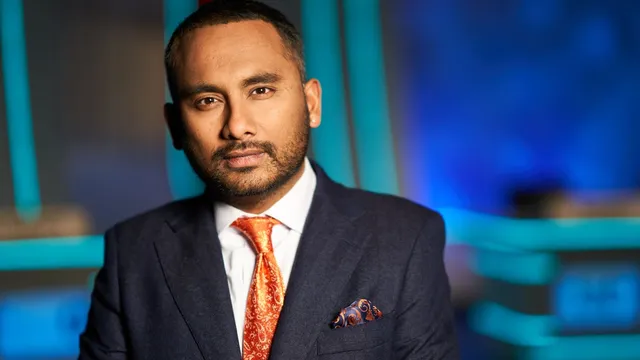
Amol Rajan leaves BBC Today programme to pursue entrepreneurship
Amol Rajan leaves BBC Today programme to pursue entrepreneurship
- Amol Rajan will leave BBC Radio 4's Today programme to launch his own company.
- He will continue hosting University Challenge and his podcast Radical for the BBC.
- His departure reflects a shift towards entrepreneurship while still being involved with the BBC.
Story
Amol Rajan, a prominent broadcaster, has announced his departure from BBC Radio 4's flagship news programme, Today, to focus on launching his own company. This decision marks a significant career shift as he will no longer be a part of the news-directing team while still contributing to the BBC through hosting University Challenge and the Radical podcast. Rajan's announcement was made on January 15, 2026, and he expressed excitement about entering the creator economy, referring to it as the 'Great Digital Narnia.' His time with Today lasted nearly five years, starting in March 2021, during which he brought a distinctive energy and intellectual curiosity, which earned praise from colleagues. The BBC is expected to announce the presenter who will replace him in due course, following a trend of recent changes in the programme's hosting structure, with Rajan being the third presenter to depart in two years. He emphasized that he would remain part of the BBC while pursuing his entrepreneurial ambitions, highlighting a desire for personal growth and change in his career trajectory. His dedication to his colleagues was evident as he made efforts to personally inform them before the official announcement.
Context
The creator economy has emerged as a significant phenomenon within the digital landscape, allowing individuals to monetize their skills and passions through various online platforms. This economy encompasses a wide range of activities, from content creation on social media to e-commerce initiatives and other forms of digital entrepreneurship. Central to the creator economy is the shift from traditional employment to self-employment, where creators leverage their unique talents to build personal brands and engage directly with their audiences. Social media platforms such as YouTube, Instagram, TikTok, and Twitch have been pivotal in this transformation, providing avenues for creators to showcase their work and connect with fans globally. One of the key drivers of the creator economy is the rise of digital tools and technology that facilitate low-barrier entry for aspiring creators. With the advent of smartphones and accessible editing software, individuals can produce high-quality content without the need for extensive training or large financial investments. This democratization of content creation has enabled a diverse range of voices and perspectives, leading to the emergence of niche markets and specialized communities. Furthermore, platforms have incorporated monetization options such as advertising revenue, subscription services, and direct audience support via crowdfunding, allowing creators to earn income directly from their followers. The impact of the creator economy extends beyond individual creators; it has spurred new business models and industry trends. Brands are increasingly recognizing the value of partnering with influencers to reach target audiences effectively. Influencer marketing has become a crucial strategy for businesses seeking to enhance their visibility and credibility in the digital arena. This collaboration not only provides creators with additional income streams but also allows brands to tap into authentic engagement and foster a sense of community around their products. As a result, the traditional advertising landscape is evolving, with more emphasis on relationship-building and content-driven strategies. Looking towards the future, the creator economy is expected to continue its growth trajectory, influenced by changing consumer behaviors and technological advancements. As platforms innovate and enhance user experiences, creators will likely explore new ways to engage their audiences, creating more immersive and interactive content. However, challenges such as platform dependency, income stability, and regulatory considerations also pose potential risks to creators within this evolving landscape. Navigating these challenges will be crucial for sustainable success, as the creator economy matures and adapts to the ever-changing digital environment.


