

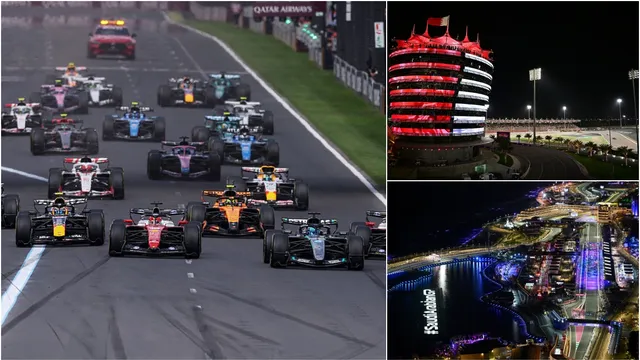
F1 faces cancellation of Bahrain and Saudi races due to Middle East conflict
F1 faces cancellation of Bahrain and Saudi races due to Middle East conflict
- The Bahrain and Saudi Arabian Grand Prix events for April 2026 are expected to be canceled due to safety concerns from the escalating Middle East conflict.
- This cancellation could lead to a significant financial loss for Formula 1, estimated at £54 million from hosting fees.
- The overall 2026 season would then be reduced to 22 races, with these races unlikely to be replaced on the schedule.
Story
The Formula 1 Grand Prix events scheduled to take place in Bahrain and Saudi Arabia in April 2026 are set to be called off due to escalating conflict in the Middle East. The situation in the region has become increasingly dangerous, with both countries being targeted in missile strikes, causing significant concerns regarding safety. The cancellation of races, which were intended to occur on April 12 and April 19, will result in the reduction of the 2026 F1 season down to 22 races, a notable drop considering the sport's usual extensive calendar. As a result of these cancellations, Formula 1 stands to lose an estimated £54 million due to missed hosting fees that both Bahrain and Saudi Arabia contribute. Saudi Arabia pays approximately £30 million ($55 million), which places it among the highest in hosting fees. Bahrain, noted for having hosted the first-ever Middle Eastern race in 2004, contributes around £24 million ($45 million). These financial impacts, while significant, may be somewhat mitigated by the overall historical context of the F1 calendar still maintaining a lineup of 22 races. The ramifications of the potential cancellation extend beyond financial losses. Both Bahrain and Saudi Arabia play crucial roles in Formula 1; Bahrain owns McLaren, while Saudi Arabia has significant sponsorship investments through its state-owned company Aramco. The historical ties both countries have with the sport increase the stakes of these events, not only in terms of revenue but also in their cultural and operational significance to Formula 1. Previous precedents exist, such as the cancellation of the 2011 Bahrain Grand Prix, which also faced unrest in the region, leading to significant negotiations around hosting and financial arrangements. Current Formula One executives, including Stefano Domenicali and Mohammed Ben Sulayem, have prioritized safety, indicating that the evolving situation may necessitate further decisions regarding upcoming races. As leading figures in the sport assess their options, key stakeholders, including team representatives, express uncertainty about the feasibility of racing in the region, indicating the profound impact of geopolitical issues on global sports schedules.
Context
The impact of geopolitical events on sports is a nuanced and multifaceted issue that has permeated the global sporting landscape. In recent years, tensions among nations have heightened, leading to significant disruptions in major sporting events. From the boycotts of the Olympics during the Cold War to protests during international sporting events, athletes and organizations have found themselves at the nexus of politics and sport. These events not only affect participation but also influence fan engagement, sponsorship deals, and the overall reputation of sports brands and leagues. The consequences of geopolitical tensions can ripple through entire sporting industries, with implications for athletes' careers and organizations' stability. In examining specific cases, the recent conflicts and diplomatic disputes have resulted in the relocation of events and the cancellation of matches. For instance, the impact of international sanctions on countries can preclude athletes from competing on global stages, which raises questions about equity and representation. Furthermore, security concerns arising from geopolitical conflicts have led to heightened precautions and changes in venue selections, which can affect the atmosphere and audience turnout. The shifting dynamics reinforce the idea that sports cannot be separated from the intricate web of international relations. The consequences of such geopolitical decisions extend well beyond the realm of sports, intertwining with societal issues, national pride, and international perceptions. The interplay between sports and politics has also prompted considerable activism among athletes who use their platforms to raise awareness about social justice issues and human rights violations. High-profile athletes have utilized their visibility to address injustices and influence public opinion, which illustrates the potential of sports as a vehicle for political expression. However, this activism can be met with backlash from fans and sponsors alike, complicating the athletes' positions within their sports. The ongoing discourse surrounding athletes' rights to voice their opinions presents a fascinating aspect of the broader impact of geopolitical developments on sports, emphasizing the need for organizations to navigate these issues delicately while considering the interests of their stakeholders. In conclusion, the intersection of geopolitical events and sports continues to shape the global sporting environment. Organizations must remain vigilant and responsive to these developments as they plan for future events, recognizing that the consequences of political tensions can significantly influence aspects such as participation, sponsorship, and athlete engagement. The historical context of sports serves as a testament to the deep connections between global affairs and athletic competition, providing valuable insights for future governance in the sports industry. As the geopolitical landscape continues to evolve, so too will the relationship between sports and the political arena, necessitating ongoing adaptation for sports organizations to thrive.


