

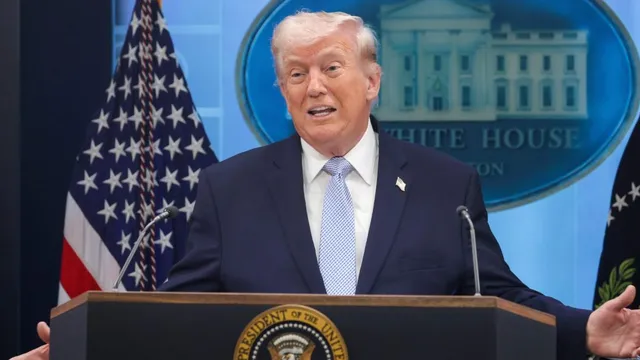
Trump brokers 10-day ceasefire between Israel and Lebanon amid ongoing Iran tensions
Trump brokers 10-day ceasefire between Israel and Lebanon amid ongoing Iran tensions
- The United States announced a 10-day ceasefire between Israel and Lebanon amidst conflict involving Hezbollah.
- Netanyahu agreed to halt operations but asserted Israel's right to self-defense.
- The ceasefire represents a diplomatic effort toward peace, yet skepticism remains regarding its effectiveness.
Story
In mid-March 2026, the United States brokered a significant ceasefire between Israel and Lebanon during ongoing hostilities involving Hezbollah, an Iran-backed militant group. The ceasefire agreement, which was announced by U.S. President Donald Trump, highlights the international community's role in attempting to mitigate the conflict that had resulted in substantial casualties and displacement in Lebanon. The Israeli Prime Minister Benjamin Netanyahu agreed to halt offensive military operations in Lebanon but emphasized that Israel would retain the right to act in self-defense, reflecting the delicate balance of power in the region. The ceasefire was framed as a potential step towards a broader peace agreement, marking a notable diplomatic effort following decades of tension between the two nations. Despite the ceasefire, many Israelis expressed skepticism regarding its effectiveness, noting the ongoing threat of Hezbollah and the concern that it might be seen as a concession rather than a path toward long-term peace. As conversations around the truce unfolded, both American and Iranian interests emerged as key influences in resolving the conflict. Brazil’s President Luiz Inacio Lula da Silva criticized Trump's approach, linking U.S. military actions and subsequent economic impacts, such as rising fuel prices for Americans, to the broader implications of the Iranian conflict. The ceasefire took effect in the context of rising tensions and military engagements, suggesting that while immediate peace had been brokered, underlying disputes and violence might continue. Key reactions to the ceasefire included concerns from officials like Senator Lindsey Graham, who warned that such agreements should not inadvertently empower militant groups like Hezbollah. As casualties in Lebanon continued to rise, the root causes of conflict persist, rooted deeply in regional politics influenced by external powers such as the United States and Iran. The situation remains fluid as both nations navigate the complexities of their past agreements, contemporary military operations, and future diplomatic engagements. Analysts suggest that while a reprieve has been established temporarily, lasting peace remains uncertain unless substantial progress can be made in disarming Hezbollah and addressing the fundamental issues at the heart of the Israeli-Lebanese conflict.
Context
In recent years, there has been an increasing emphasis on diplomatic efforts aimed at addressing the complex geopolitical issues in the Middle East. Various countries and organizations have taken steps to facilitate dialogue and foster cooperative relationships among nations in the region. The importance of such efforts cannot be overstated, as the Middle East has been a focal point for conflict and instability, particularly due to longstanding disputes, territorial claims, and differing ideologies. Recent developments highlight a concerted effort to promote peace and strengthen security cooperation among countries, emphasizing the role of diplomacy in resolving key issues such as the Israeli-Palestinian conflict, Syrian civil war, and regional economic collaboration. One of the most notable diplomatic breakthroughs in recent years occurred with the normalization of relations between Israel and several Arab states, such as the United Arab Emirates, Bahrain, Sudan, and Morocco. These agreements, known as the Abraham Accords, were significant as they not only symbolize a shift in traditional Arab-Israeli relations but also promote greater economic ties and collaboration in various sectors. The Accords represent a foundation for future peace initiatives and potential dialogue between Israel and Palestine, aimed at addressing their historical grievances and seeking a two-state solution that has been elusive for decades. However, this endeavor has met with both support and criticism, emphasizing the complex nature of regional politics. Furthermore, multilateral efforts have expanded to include involvement from global powers. The United States, European Union, and neighboring nations have been conducting dialogues to address the crises in Syria and Yemen, where conflicts have led to severe humanitarian crises. Recent conferences and peace talks have aimed to engage all stakeholders, including local actors, to ensure that solutions are inclusive and sustainable. Notably, the recent international focus on humanitarian support has created a more substantial push for conflict resolution, addressing not only the political dimensions of crises but also the dire need for economic recovery and humanitarian assistance. In summary, the landscape of Middle Eastern diplomacy is marked by ongoing efforts to achieve peace and stability through dialogue, normalization of relations, and multilateral cooperation. While significant challenges remain, including diverse interests of various state and non-state actors, the determination to pursue diplomatic avenues signals a potential path towards a more stable and prosperous Middle East. Continued engagement will be crucial in addressing outstanding issues and fostering an environment conducive to long-lasting peace.


