

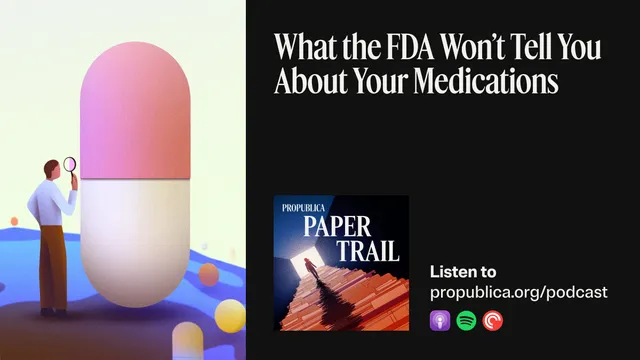
FDA's knowledge of dangerous drugs raises serious concerns
FDA's knowledge of dangerous drugs raises serious concerns
- Investigative findings by ProPublica reveal alarming safety issues with generic medications approved by the FDA.
- FDA inspectors reported severe concerns about drugs from specific factories, but the agency hesitated to take action for fear of drug shortages.
- The investigation highlights significant implications for patient safety and calls for greater transparency from the FDA.
Story
In the United States, ProPublica investigative reporters Debbie Cenziper and Megan Rose uncovered troubling information regarding the safety of generic medications approved by the FDA. They discovered that the FDA's own inspectors had reported severe issues with drugs manufactured in various factories, raising concerns about their efficacy and safety. The inspectors voiced alarm about the potential dangers these drugs posed to patients yet noted that the FDA was hesitant to take drastic measures, such as banning factories, for fear of drug shortages. This dilemma indicated a significant conflict between ensuring patient safety and maintaining drug availability. The reporters engaged with families affected by these medications, fearing that crucial therapeutic options could have been jeopardized by the FDA's actions—or lack thereof. In one emotional instance, a mother questioned whether knowledge of the FDA's findings could have changed the fate of her daughter, who suffered severe health consequences linked to her medication. This highlighted the profound implications of the FDA's decisions and the information they withhold, leaving patients and their families in the dark. Cenziper and Rose’s investigation revealed a deeper systemic issue: the inadequacy of communication from the FDA regarding critical drug safety information. By not informing patients and healthcare providers about risks associated with specific medications, the agency failed in its duty to ensure public safety. Moreover, this lack of transparency suggests a broader problem within the FDA’s regulatory framework, which seems to prioritize the continuity of drug supplies over the well-being of patients. In conclusion, the findings of the investigation sparked widespread debate about the role of the FDA in safeguarding public health. While the agency maintained a level of confidence in its testing processes, the revelations by ProPublica forcefully questioned the adequacy of these measures. As families grapple with the impact of potentially unsafe medications, the credibility of the FDA's assurances comes under scrutiny, urging a reconsideration of its policies and practices moving forward.
Context
The FDA drug safety issues encompass a critical domain of pharmaceutical regulation, focusing on ensuring that drugs available to the public are safe and effective, as well as monitoring their performance after approval. The Food and Drug Administration (FDA) has established stringent guidelines for clinical trials, requiring comprehensive data about drug effects and side effects before they reach the market. However, post-marketing surveillance is equally important as it helps identify rare or long-term adverse effects that may not have surfaced during initial testing phases. This ongoing vigilance is imperative to uphold public health, as market dynamics can change drug safety profiles due to various factors such as new patient demographics or drug interactions that were not initially considered. Moreover, the FDA has the authority to recall drugs, issue warnings, or enforce restrictions if safety issues arise post-approval. A notable example includes the withdrawal of certain medications after discovering severe side effects, such as heart risks or dependency issues that were not evident in clinical trials. The agency regularly evaluates adverse event reports generated by healthcare providers and consumers to monitor safety signals actively. This emphasizes the importance of healthcare professionals and patients reporting any adverse reactions or complications associated with drug use, which contributes vital information for analyzing drug safety. Despite the FDA's robust framework, challenges remain, particularly in the realm of transparency and the speed of responses to emerging safety concerns. Criticism occasionally surfaces regarding the agency's reliance on pharmaceutical companies for data reporting, which can inadvertently lead to conflicts of interest. Additionally, the complexities of drug interactions and variability in patient responses can complicate assessments and risk evaluations. Policymakers and stakeholders continue to advocate for enhancements, such as improved reporting systems and more rigorous oversight to bolster the FDA's confidence in the drugs that are approved for public use. In conclusion, drug safety is a paramount concern for the FDA, necessitating a meticulous approach in both pre-approval and post-marketing stages. Ensuring that drugs are safe and effective requires collaboration among regulatory bodies, healthcare professionals, and patients. Continuous education on the importance of reporting adverse effects and a better understanding of the risks involved with medications can enhance the overall safety profile of pharmaceuticals. Vigilant monitoring, prompt action on safety alerts, and maintaining an open channel of communication are vital components of a system designed to protect public health and foster trust in the medications that individuals rely on.


