

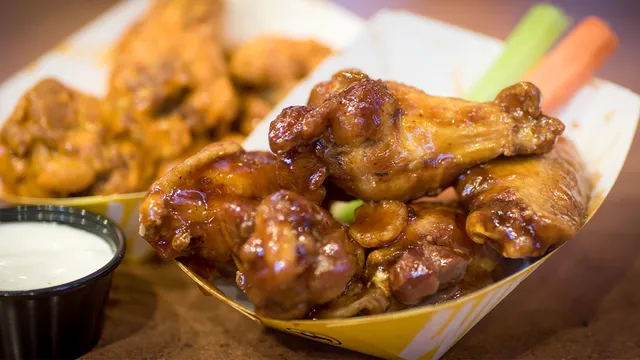
Judge dismisses lawsuit over Buffalo Wild Wings' boneless wings
Judge dismisses lawsuit over Buffalo Wild Wings' boneless wings
- A federal judge dismissed a lawsuit against Buffalo Wild Wings regarding their 'boneless wings.'
- The ruling stated that the term does not mislead consumers about the nature of the dish.
- Judge Tharp expressed skepticism about the viability of an amended complaint from the plaintiff.
Story
In the United States, a federal judge ruled on a legal dispute regarding the terminology used by Buffalo Wild Wings regarding their 'boneless wings.' A customer, Aimen Halim, filed a lawsuit claiming that the term misled him into believing the product was made from actual chicken wings from which the bones had been removed. Instead, Halim argued that the dish was more akin to chicken nuggets made primarily from breast meat, thus asserting that the marketing was fraudulent. He alleged violations of the Illinois Consumer Fraud Act and sought to represent a nationwide class action of customers who felt deceived by this term. The lawsuit was presented to U.S. District Judge John Tharp Jr., who analyzed the claims and ultimately concluded that the phrase 'boneless wings' does not mislead reasonable consumers. In his ruling, Judge Tharp employed a humorous tone, rich in puns, to reject the plaintiff's arguments, stating that the complaint had 'no meat on its bones.' He likened the term to other colloquial food terms that are widely accepted, like 'chicken fingers,' indicating that patrons do not expect these names to literally represent the contents. The judge also considered Halim’s standing to sue, recognizing that he claimed economic harm stemming from the misrepresentation. However, he found the claims unpersuasive, ruling that reasonable consumers generally understand that 'boneless wings' refers to a product that is distinct from traditional chicken wings with bones. He indicated that the name serves as a creative descriptor rather than a fraudulent declaration. Furthermore, despite dismissing the lawsuit, Judge Tharp allowed Halim to amend his complaint by March 20, 2026, although he expressed skepticism that any additional facts could substantiate his claims. This ruling highlights the ongoing debates and discussions surrounding food labeling and consumer perceptions in the dining industry, reflecting a larger cultural understanding of food terminology and consumer expectations.


