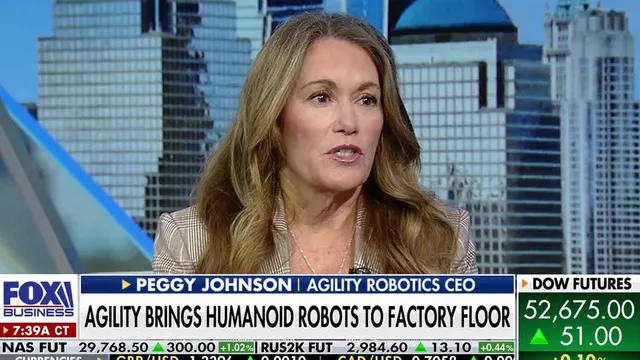
The current labor shortages in the US manufacturing sector have become a pressing issue, significantly impacting productivity and economic growth. As of July 2026, the manufacturing industry is grappling with a shortage of skilled workers, which has been exacerbated by several factors, including an aging workforce, a lack of interest in manufacturing careers among younger generations, and the ongoing effects of the COVID-19 pandemic. The pandemic not only disrupted supply chains but also led to a reevaluation of work-life balance, prompting many workers to leave the industry or retire early. This has created a gap that is difficult to fill, as the demand for manufactured goods continues to rise in a recovering economy.
One of the primary challenges in addressing these labor shortages is the skills gap. Many manufacturing jobs require specialized training and technical skills that are not readily available in the current labor pool. Educational institutions and vocational training programs have struggled to keep pace with the evolving needs of the industry, leading to a mismatch between the skills employers seek and those possessed by job seekers. Additionally, the perception of manufacturing jobs as low-paying or undesirable has deterred many potential workers from pursuing careers in this field. As a result, companies are increasingly investing in training programs and partnerships with educational institutions to develop a more skilled workforce.
Moreover, the competition for talent has intensified, with manufacturers competing not only among themselves but also with other sectors such as technology and healthcare. This competition has led to rising wages and benefits in an effort to attract and retain employees. However, not all companies can afford to increase compensation, which can further exacerbate the labor shortage for smaller manufacturers. The challenge is compounded by the fact that many workers are seeking more flexible work arrangements, which traditional manufacturing jobs may not readily offer.
To mitigate these labor shortages, it is essential for the manufacturing sector to adopt innovative strategies. This includes enhancing recruitment efforts to appeal to a broader audience, promoting the benefits of manufacturing careers, and emphasizing the importance of skilled labor in driving economic growth. Additionally, leveraging technology and automation can help alleviate some of the pressures caused by labor shortages, allowing companies to maintain productivity levels despite a reduced workforce. Ultimately, addressing the labor shortages in the US manufacturing sector will require a concerted effort from industry leaders, educational institutions, and policymakers to create a sustainable workforce that can meet the demands of the future.