

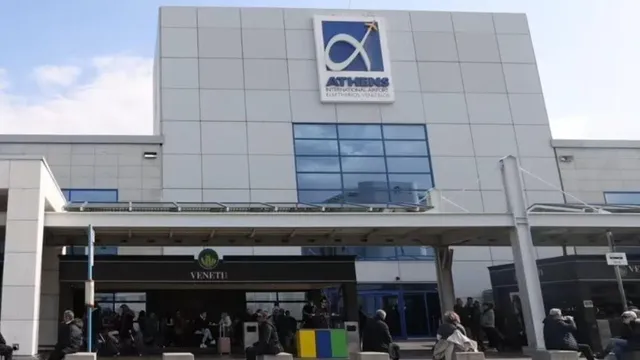
Greece's air traffic control failure disrupts thousands of flights
Greece's air traffic control failure disrupts thousands of flights
- On January 4, flights across Greece were severely impacted due to a collapse of air traffic communication.
- Thousands of passengers were affected as airlines canceled and delayed numerous flights, leading to reroutes to other countries.
- The incident raised concerns about the reliability of Greece's air traffic control systems and the need for modernization.
Story
On January 4, 2026, Greece experienced a significant failure in its air traffic control system due to a collapse of radio frequencies, bringing airport operations to a halt and stranding thousands of travelers. This disruption occurred during a busy travel period following the holiday season, leading to widespread cancellations and delays of numerous flights to, from, and within Greece. As a result, passengers faced considerable inconveniences, including missed connections, and some flights were diverted to other countries. While some flights were still operational, the overall capacity of air traffic was severely reduced as Greece's civil aviation authority implemented restrictions for safety reasons. The cause of this incident remained unclear; officials from the Association of Greek Air Traffic Controllers speculated that it was related to aged equipment that had previously been flagged for needing updates. The scale of the outage was described as unprecedented, with controllers using any means possible to maintain flight safety during the crisis. By late afternoon on January 4, limited services began to resume after ground teams restored communication through backup frequencies. However, efforts continued to address the root technical issues affecting the entire air traffic control system across the country. Notably, leading airlines such as Aegean and British Airways were among those significantly impacted, with many flights canceled or delayed. The issue not only affected domestic travel within Greece but also caused complications for international passengers. Some travelers found themselves rerouted to cities far from their intended destinations, leading to further logistical challenges. As the situation unfolded, Athens airport communicated through public notices about the gradual resumption of flights and ongoing technical efforts to prevent future occurrences. This incident raises serious questions about the reliability and preparedness of Greece's air traffic infrastructure. Given the dependence on air travel, particularly in a country with multiple islands and a vast tourist industry, improvements and upgrades to the technical systems are crucial. The incident highlighted the need for proactive investment and modernization of air traffic control technologies, ensuring that safety is prioritized and that such breakdowns do not happen again in the future.


