

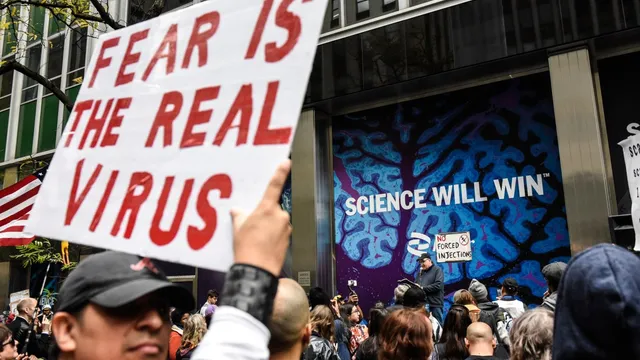
Doctors fight ongoing health misinformation about hantavirus
Doctors fight ongoing health misinformation about hantavirus
- With rising health concerns, misinformation surrounding hantavirus is spreading online.
- Health professionals are countering this misinformation using social media to clarify risks.
- Experts stress the importance of transparency and accurate reporting in public health communications.
Story
In the context of the lingering effects of the COVID-19 pandemic, misinformation around health issues like the hantavirus is gaining traction, particularly through social media platforms. As of May 2026, various health professionals are expressing concerns over the spread of inaccurate claims regarding hantavirus, which is claimed to be more dangerous than it is. Medical experts like Neil Stone are actively combating this misinformation by engaging with the public through platforms such as X, sharing accurate information based on guidelines from health authorities like the CDC and WHO. The hantavirus, while having a higher mortality rate compared to COVID-19, is less transmissible between individuals, which significantly lowers the risk of widespread pandemics like the one experienced in 2020. Experts emphasize that there is no need for public panic regarding recent outbreaks tied to cruise ships in the U.S., reassuring citizens that the general public risk remains minimal. Neil Stone, along with other doctors, believes their social media outreach can counter the negative impacts of false narratives that have emerged, thereby restoring some level of public trust in health communications. However, the rise of misinformation during and after the COVID-19 pandemic has challenged public trust in health experts. Mark Shrime, who holds credentials in health policy, highlights the medical anxiety that is prevalent among the public, suggesting that many people are still traumatized by their experiences during the pandemic. This collective anxiety creates a ripe environment for conspiracy theories and heightened concerns about health risks in general. Traditional media's portrayal of public health information further complicates these issues. Critics argue that sensationalized coverage can lead to unnecessary public fear and perceptions of greater threats than what is substantiated by scientific evidence. Experts are calling for communication strategies that emphasize calm and proportionate information dissemination. They contend that transparency in health communication is crucial in a time filled with distrust and skepticism. The ongoing fight against misinformation is viewed as vital for preventing future health crises and restoring the public's confidence in health authorities and professionals.


