

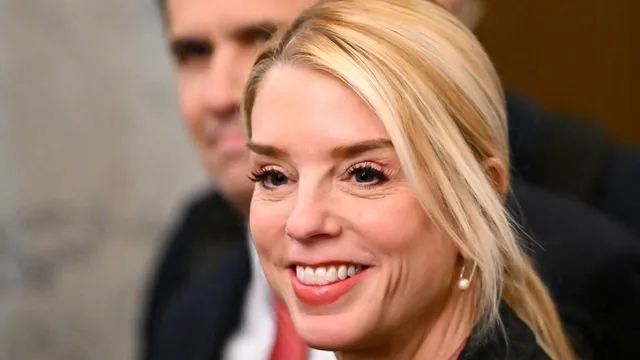
Democrats boycott Pam Bondi's briefing on Epstein files over subpoena issues
Democrats boycott Pam Bondi's briefing on Epstein files over subpoena issues
- Democrats left the closed-door hearing with Attorney General Pam Bondi due to her lack of commitment to comply with a subpoena.
- The Justice Department labeled the subpoena as unnecessary, while many Epstein survivors criticized redactions in released documents.
- The incident reflects broader concerns about transparency and accountability in cases related to sexual abuse.
Story
In a controversial closed-door hearing in the United States, House Democrats abruptly walked out during a briefing led by Attorney General Pam Bondi regarding the Epstein files. This incident, which occurred shortly after Bondi had been subpoenaed by the Republican-led House Oversight Committee to provide sworn testimony about her department's handling of Epstein-related documents, highlights ongoing tensions in Congress over the management of sensitive information. Bondi attended the briefing alongside Deputy Attorney General Todd Blanche and faced scrutiny for her reluctance to pledge compliance with the subpoena issued for her deposition date of April 14. The committee, which narrowly voted to subpoena Bondi, has been under pressure from both Epstein survivors and various Congressional members who have criticized the Justice Department's handling of the Epstein files and related evidence. During the hearing, Bondi insisted she would adhere strictly to the law when responding to the subpoena, which the Justice Department has labeled as "completely unnecessary," suggesting that the attorney general remains open to discussions and consultations with Congress. The fallout from the briefing has ignited further criticism toward the Justice Department's actions and decisions regarding the release of information tied to Epstein, with many expressing dissatisfaction at the frequency of redactions in documents released to the public. Lawmakers and advocates, including survivors, have voiced concerns that crucial information pertaining to accomplices of Epstein remains concealed. Observers note that the lack of transparency in the Justice Department’s processes raises questions about accountability and the commitment to revealing critical information for justice seekers. Furthermore, public sentiment has been colored by the widening scope of allegations against high-profile individuals connected to Epstein, with representatives from various political backgrounds emphasizing the importance of accountability. Democrats, in particular, have urged that their voices should not be drowned out by partisan exchanges, as they push for greater transparency regarding Epstein's victims and the systemic failures in addressing allegations of abuse. As calls for testimony from various implicated figures, including public figures like Sarah Ferguson, gain momentum, the implications of the ongoing inquiry may reveal deeper issues within both the political and legal frameworks designed to protect victims and hold wrongdoers accountable.


