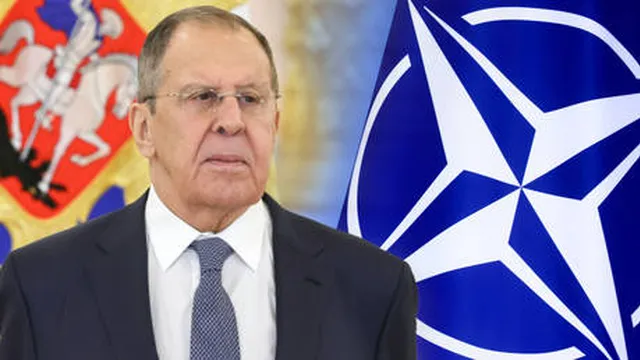
Estonia pledges over €1 billion in military aid to Ukraine
military conflicts
impactful
controversial

Estonia pledges over €1 billion in military aid to Ukraine

10
(Update: )
sovereign state in northeastern Europe
country in Eastern Europe
sovereign state in Eastern Europe and Northern Asia
  • Estonia has provided over €1.1 billion to support Ukraine's efforts against Russia since the conflict escalated in February 2022.
  • The majority of aid, around €805 million, has been directed towards military needs, while €370 million has been dedicated to humanitarian efforts.
  • Estonia's total aid corresponds to its average annual defense budget, highlighting its strong commitment to supporting Ukraine and responding to perceived threats from Russia.
Share opinion
1

Story

Estonia, a Baltic state and former Soviet republic, has emerged as a significant supporter of Ukraine amidst the ongoing conflict with Russia, escalating after February 2022. According to the Estonian Defense Ministry, the nation has contributed more than €1.1 billion (approximately $1.3 billion) in military and humanitarian assistance to Ukraine over the past three years. The commitment is substantial, representing about 75% of the total aid directed to military needs, including ammunition, equipment, and training for soldiers, while the rest has been allocated for humanitarian assistance and support for Ukrainian refugees residing in Estonia. The allocation of aid reflects Estonia's defense strategy, which is estimated to average around €1.16 billion annually from 2022 to 2025 and corresponds to roughly 2.5% of its GDP, calculated at around €42 billion in the previous year. Additionally, in a move to solidify its commitment, the Estonian government announced plans to allocate an additional 0.25% of GDP specifically for military aid to Ukraine in 2026. This increase highlights Estonia's proactive approach to its defense policy, amid perceptions of heightened threats from Russia. Over the years, Estonia has actively sought to reduce its ties with Russia, collaborating closely with its Baltic neighbors, Latvia and Lithuania, in a shared commitment to security and defense enhancement. The Ukraine conflict has intensified this campaign, as Estonia has often positioned itself as one of Ukraine's most ardent supporters in Europe. This has included pushing for increased defense spending across Europe, motivated by concerns over potential Russian aggression, which the Russian government has dismissed as fearmongering. Furthermore, in a move to bolster its borders against potential threats, Estonia has pledged to permanently increase its military spending to at least 5% of its GDP and has plans for deploying anti-personnel landmines along its border with Russia. This has drawn warnings from Moscow against supporting Ukraine militarily and financially, arguing that such assistance prolongs the conflict and threatens peace efforts. In 2023, Russian officials have labeled the Baltic states, including Estonia, as “extremely Russophobic” and have downgraded diplomatic ties, with accusations directed at them for spreading

Context

Estonia's defense spending has been significantly shaped by its geopolitical position and security concerns, particularly in the context of regional stability in Northern Europe. The country's strategic location, bordering the Baltic Sea and near Russia, necessitates a robust defense posture. Recent years have seen increased military expenditures aimed at modernizing Estonia's armed forces and enhancing its capability to respond to any military threats. This escalation is informed by the changing security environment in Europe, particularly following Russia's annexation of Crimea in 2014 and the ongoing tensions in Eastern Ukraine. Estonia's commitment to NATO obligations, particularly the goal of allocating at least 2% of its GDP to defense, further underscores the importance of defense expenditures to bolster national and regional security frameworks. Investments in defense are not solely about military hardware; they also encompass comprehensive strategies that involve partnerships and collaborations with NATO allies. Estonia has actively participated in NATO missions and exercises, leveraging its membership to enhance operational readiness and interoperability with allies. The country's focus on developing cyber defense capabilities is particularly noteworthy, given the asymmetrical nature of modern conflicts where cyber threats pose significant risks to national security. By prioritizing cyber defense along with traditional military capacity, Estonia aims to create a multifaceted defense strategy that addresses contemporary challenges. Moreover, the emphasis on territorial defense and the establishment of the Estonian Defense Forces' Reserve force contribute to a broader deterrence strategy that signals to potential aggressors that any act of aggression will be met with a robust response. Estonia's enhanced defense spending not only serves to protect its sovereignty but also increases the security architecture of the Baltic region. As part of a more extensive network of defense collaborations, Estonia has advocated for integrated regional defense plans with neighboring countries, fostering a collective security mindset. This regional cooperation is crucial, particularly in the face of shared threats, and it enhances the deterrence capability of the Baltic states. Furthermore, Estonia's active role in initiatives such as the Baltic Defense Cooperation highlights the importance of joint efforts to bolster defense mechanisms and build a unified front against potential aggressors. This collaborative approach is essential for addressing the strategic complexity of the region, where national defense must be viewed within a broader cooperative context. Lastly, the implications of Estonia's defense spending on regional security extend beyond immediate military considerations. The ongoing commitment to invest in defense serves as an important signal to both domestic and international observers that Estonia is serious about its defensive posture. This, in turn, can boost public confidence in the government and military, fostering a resilient national identity. The long-term sustainability of defense expenditures is essential, as it requires careful management of resources while ensuring that investments reflect the evolving threat landscape. As Estonia continues to navigate its path in a rapidly changing security environment, its defense spending will remain a cornerstone of national policy, shaping not only its defense strategy but also regional stability and cooperation.

2026 All rights reserved