

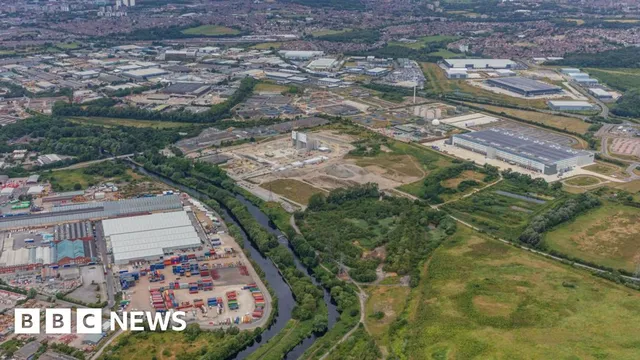
Microsoft gains approval for massive data centre at former power station site
Microsoft gains approval for massive data centre at former power station site
- Leeds City Council approved plans for a data centre complex on the former Skelton Grange site.
- The facility will include three buildings for data servers and an extensive warehouse.
- The project aims to bolster digital infrastructure and create local employment opportunities.
Story
In the United Kingdom, specifically in the city of Leeds, significant developments are underway at the Skelton Grange site. Recently, Leeds City Council unanimously approved plans for the construction of a major data centre complex on the land previously occupied by a power station. This decision follows a report emphasizing the vital role data centres play in modern society, supporting everything from patient records to financial systems. The plans include three separate data centre buildings and an accompanying warehouse, which will enhance the local digital infrastructure. The data centre buildings will house a variety of computer servers necessary for numerous digital operations, including essential services and data hosting. The warehouse component of the project is set to provide vast space, with an estimated total floorspace of up to 161,000 square feet, which translates to about 15,000 square meters. In addition to the buildings themselves, the development will feature crucial infrastructure such as power connections, backup generators, and cooling chimneys, all necessary to maintain optimal conditions for the servers. These elements will ensure that operational capabilities are both reliable and efficient. The emergence of data centres as critical national infrastructure was recognized by the government in 2024. This classification places data centres on par with water, energy, and emergency service systems. The council's decision reflects a broader understanding of how essential digital infrastructure has become in the contemporary world. As technology continues to integrate into daily life, the need for secure and reliable data hosting facilities like data centres is paramount. This development aligns with national interests in bolstering digital capacities and ensuring that local economies can benefit from growth in high-tech industries. Conditions for the project approval included creating an employment and skills plan aimed at generating local jobs and providing training opportunities through apprenticeships and work experiences. This aspect underscores the council's commitment to both economic development and community welfare, ensuring that residents of Leeds can engage with and benefit from the changes brought about by the data centre complex. As the planning panel's decision moves to the chief planning officer for final approval, this project represents a significant step forward in the integration of advanced technology within the region.


