

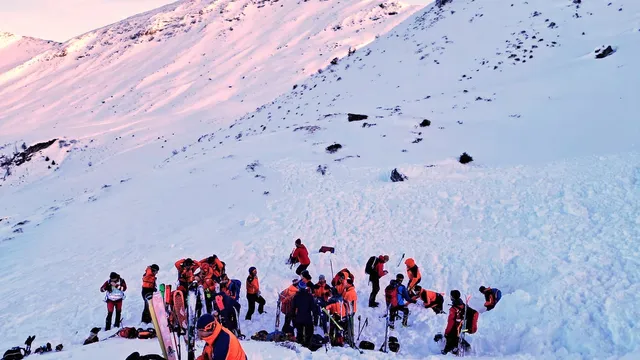
Eight skiers killed in multiple avalanches across Austria
Eight skiers killed in multiple avalanches across Austria
- A series of avalanches in Austria resulted in the deaths of eight skiers across different regions on the same Saturday.
- The escalating avalanche danger was highlighted by authorities, who had previously issued multiple warnings about extreme risks due to heavy snowfall.
- Rescue teams, including helicopters and specialized personnel, responded urgently, but many victims were already deceased when found, underscoring the severity of the situation.
Story
Austria experienced a tragic day as a series of avalanches struck the Austrian Alps, leading to the deaths of eight skiers. The incidents occurred on the same Saturday, with the first avalanche occurring around 12:30 p.m. in the Bad Hofgastein area of the Salzburg region. A female skier was buried and subsequently pronounced dead after being rescued by emergency services. Approximately 90 minutes later, four skiers were killed when another avalanche swept through a group of seven in the Gastein Valley, also in Salzburg. Following this, a third avalanche claimed the lives of three skiers from the Czech Republic in Pusterwald, located in the Styria region. Rescuers worked swiftly, utilizing helicopters, search dogs, and crisis support teams to respond to the tragedies, but sadly, several victims were discovered deceased, a reflection of the severe conditions of the avalanches. The avalanche threat was underscored by local authorities, with clear warnings issued about the enhanced risks following heavy snowfall. Throughout the preceding week, the region had witnessed numerous incidents, leading to at least 19 fatalities in Austria and neighboring countries like Switzerland and France. Rescue officials have urged the public to exercise extreme caution due to unpredictable weather patterns and changing climate conditions, which are causing significant risks to both mountain communities and visitors. In light of the escalating situation, Austrian authorities have pledged to continue their investigations into the circumstances surrounding these fatal avalanches to better understand and respond to the ongoing dangers posed by avalanches.
Context
Avalanches pose a significant threat to skiers, particularly in mountainous terrains where snow accumulation can lead to unstable conditions. Understanding avalanche safety is crucial for anyone engaging in winter sports, as proper preparation and knowledge can dramatically reduce the risk of accidents. It is essential for skiers to educate themselves on how avalanches occur, the types of terrain at risk, and the indicators of unstable snowpack. Familiarity with avalanche forecasts and conditions is vital, and skiers should always check local reports before heading out. Awareness of keywords in avalanche advisories, such as "moderate," "considerable," and "high" danger levels, will help skiers make informed decisions regarding their routes and whether to proceed with skiing activities. The use of appropriate safety equipment cannot be overemphasized. Essential gear includes an avalanche transceiver, a probe, and a shovel, all of which are critical for search and rescue operations in the event of an avalanche. Skiers should not only carry this equipment but also know how to use it effectively. They should practice avalanche rescue techniques regularly and participate in avalanche safety courses to develop their skills. Additionally, traveling in groups is highly recommended as it provides added safety; in case of an avalanche, group members can assist with rescue and decision-making. Skiers should also adopt safe travel techniques while navigating avalanche-prone areas. These include avoiding steep slopes, riding the fall line, and using safe zones to cross potentially dangerous terrain. Awareness of the terrain is vital: skiers should identify and remain aware of features such as gullies, trees, or cliffs that could cause injury or hinder evacuation routes during an avalanche. Moreover, keeping an eye on changes in weather and snow conditions can provide crucial information about potential avalanche danger. Consider choosing paths that are less likely to slide, and stay away from areas that have previously experienced avalanches. Finally, communication is key in ensuring safety during winter excursions. Skiers should establish clear plans and check-in points with their group before hitting the slopes. Discuss and review potential hazards and what to do if caught in an avalanche. A well-prepared group can share responsibilities for monitoring conditions and ensuring everyone remains informed. In conclusion, the potential danger that avalanches present to skiers necessitates serious attention to preparation, education, and safety practices. By being informed, equipped, and cautious, skiers can greatly enhance their chances of staying safe while enjoying the winter outdoors.


