

Scott Bessent clashes with Democrats in heated Capitol hearings
Scott Bessent clashes with Democrats in heated Capitol hearings
- Scott Bessent, Treasury Secretary, engaged in heated exchanges with Democratic lawmakers concerning fiscal policy during recent hearings.
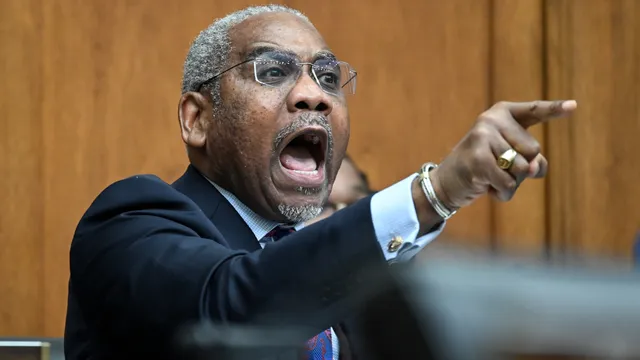
- His confrontational demeanor led to numerous confrontations and public outbursts from Congress members.
- The contentious nature of the hearings suggests a decline in civil discourse within U.S. political interactions.
Story
In recent congressional hearings, Scott Bessent, the current Treasury Secretary, found himself embroiled in contentious exchanges with Democratic lawmakers. These hearings, which took place in Washington D.C., examined oversight of the U.S. financial system. Traditionally, such hearings are characterized by staid discussions, but Bessent's combative demeanor shifted the tone to one of political theater. Throughout his testimony before the House Financial Services Committee and the Senate Banking Committee, he engaged in direct verbal sparring, dismissing and even mocking questions posed by Democratic representatives. This combination of insults and defiance was alarming to some observers, who noted that treasury secretaries typically maintain a more reserved, respectful approach when addressing Congress. A significant aspect of Bessent's performance included comments regarding economic policy and his defense of President Trump's interference with the Federal Reserve’s decision-making process. Lawmakers expressed growing frustration with his interruptions, culminating in emotional outbursts from representatives such as Maxine Waters and Gregory Meeks, who called for Bessent to be silenced amidst heated exchanges. The hearings also highlighted the growing divide and increasing aggressiveness in political discourse, particularly visible in Bessent’s confrontations with prominent figures such as Senators Elizabeth Warren and Jack Reed. The atmosphere has shifted to one that encompasses verging-on-dysfunctional interactions, straying from productive discussions and moving towards personal attacks. Following the hearings, political analysts remarked that Bessent's behavior symbolizes a broader trend of eroding respect between congress members, a departure from previous norms where disagreement was handled with civility. As the situation continues to evolve, it remains uncertain how this trend will influence future interactions within the government and the financial oversight processes that are vital to maintaining stability in the U.S. economy. Additionally, the ongoing investigation into Federal Reserve Chair Jerome Powell and the White House’s influence over him reflects the heightened stakes involved, further complicating Bessent's role and the environment within which he operates.


