

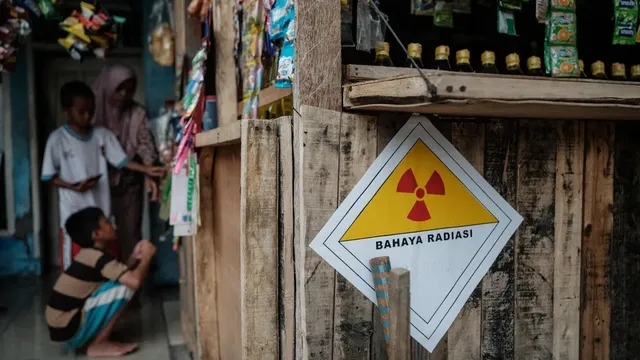
Philippines struggles to manage radioactive zinc containers stranded for months
Philippines struggles to manage radioactive zinc containers stranded for months
- 23 containers of radioactive zinc were stranded in Manila Bay after being rejected by Indonesian authorities due to traces of radioactive Caesium-137.
- The containers were brought ashore on January 11 and are awaiting a medium-term solution for storage, possibly at the Subic Bay military facility.
- The Philippine Nuclear Research Institute assures that radiation levels are low, but concerns over contamination continue to prompt discussions about safety and health risks.
Story
The Philippines is currently dealing with a pressing issue involving 23 containers of radioactive zinc that have been stranded in Manila Bay since late September. The containers, originally shipped from Indonesia aboard the MV Hansa Augsburg, were rejected by Indonesian authorities after traces of radioactive Caesium-137 were discovered. This rejection coincided with Indonesia's heightened scrutiny of scrap iron and steel imports amid fears of radioactive contamination in various food products. On January 11, the containers were finally brought ashore and relocated to a 'safe place' as per the assurances of Carlo Arcilla, director of the Philippine Nuclear Research Institute. The Philippine authorities have indicated that the zinc dust, which is a byproduct of steel production, is not posing an immediate health risk, claiming that radiation levels are low. Arcilla emphasized that the radiation diminishes significantly just one meter away from the containers. However, the issue remains fraught with challenges, including the need for a more permanent solution for storage. As discussions continue regarding the potential location for long-term containment, storage at the historic Subic Bay military facility is being considered due to its previous use as ammunition bunkers. Main stakeholders in this situation include the shipping company, Cosco Shipping Lines, which has faced significant financial losses due to the shipping delay and ongoing negotiations. The shipping operator has expressed frustrations over the delays attributed to an irrational fear of radiation and the Philippines' inability to quickly respond with a solution. Meanwhile, environmental groups like Greenpeace have underscored the long-term risks associated with exposure to even low levels of Caesium-137, warning of potential cancer risks and lasting environmental contamination. On another front, the U.S. is bracing for the possibility of ongoing contamination from Indonesian imports, including shrimp and other commodities, as highlighted in a recent intelligence bulletin. Contaminated products continue to be detected, casting a widespread net of concern regarding the safety of various goods from Indonesia. The bulletin noted that the contamination of products like frozen shrimp has already led to recalls, including an incident involving 84,000 bags of shrimp found contaminated with Cs-137. The situation is fluid, and U.S. authorities are working to ensure that contaminated items do not enter the market, while the issue of radiation in imports from Indonesia continues to develop.
Context
The impact of radioactive materials on food safety is a critical concern that transcends geographical boundaries and agricultural practices. Radioactive contamination can occur from various sources, including nuclear accidents, improper disposal of radioactive waste, and natural radionuclide presence in certain areas. Once radioactive material enters the food chain, it can accumulate in agricultural products, posing health risks to consumers. Understanding the pathways of contamination and the mechanisms through which radioactive elements affect food safety is essential for developing effective mitigation strategies and regulatory frameworks. This assessment underscores the need for continuous monitoring and risk evaluation in food production systems to safeguard public health. The primary concerns regarding radioactive materials in food are related to the types of radionuclides present and their biological effects. Radionuclides such as cesium-137 and iodine-131 are of particular interest due to their persistence in the environment and potential for bioaccumulation in crops and livestock. These isotopes can lead to both acute and chronic health effects, including increased cancer risk and damage to the thyroid gland. Therefore, assessing the levels of these radionuclides in food products is vital for ensuring compliance with safety standards and preventing public health crises. Effective testing methodologies and international standards established by organizations, such as the World Health Organization (WHO) and the Food and Agriculture Organization (FAO), play a crucial role in this evaluation process. Regulatory measures are essential in the management of food safety in the context of radioactive materials. Guidelines and limits for radionuclide concentrations in food products have been developed by various regulatory bodies to protect consumers. These regulations provide a framework for monitoring, controlling, and responding to radioactive contamination incidents in food supplies. Furthermore, public awareness and education are necessary to address concerns related to food safety, particularly in regions prone to nuclear activity or natural radiation. Stakeholders, including farmers, food producers, and health organizations, must collaborate to promote safe agricultural practices and ensure transparent communication during incidents of contamination. In conclusion, the impact of radioactive materials on food safety poses significant challenges that require a robust response from researchers, policymakers, and health authorities. Continuous monitoring, strict regulatory frameworks, and public education are imperative to mitigate the risks associated with radioactive contamination in the food supply. As the global landscape evolves and the incidence of nuclear incidents or the discovery of contaminated areas increases, adaptive strategies and ongoing research will be essential to safeguard food safety and protect public health.


