

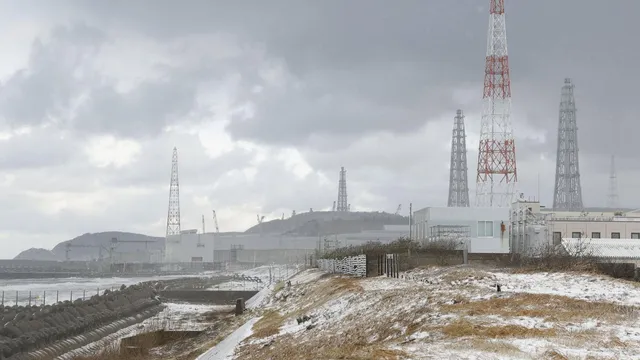
TEPCO restarts reactor at Kashiwazaki-Kariwa nuclear power plant amid ongoing safety concerns
TEPCO restarts reactor at Kashiwazaki-Kariwa nuclear power plant amid ongoing safety concerns
- Tokyo Electric Power Company completed inspections and restarted reactor number six at the Kashiwazaki-Kariwa plant.
- This marks the first reactor restart since the Fukushima nuclear disaster in 2011, amidst ongoing safety concerns.
- The restart signals a potential shift in Japan’s nuclear energy policy, even as public trust remains divided.
Story
Japan has restarted reactor number six at the Kashiwazaki-Kariwa nuclear power plant, the world’s largest nuclear facility, marking the first time since the catastrophic Fukushima disaster in 2011 that any reactor operated by Tokyo Electric Power Company has resumed operations. The restart took place on January 21, 2026, after extensive safety inspections and was initially delayed due to a malfunctioning alarm within the reactor system. The Kashiwazaki-Kariwa plant is located in north-central Japan, about 220 kilometers northwest of Tokyo, and has been inactive since the Fukushima disaster, which led to a nationwide shutdown of all nuclear reactors. The decision to restart this reactor comes amid increasing energy demands in Japan, particularly due to the growth of AI data centers and a goal to reduce reliance on foreign energy supplies. The government has pushed to reinstate nuclear energy, which once contributed nearly 30% of Japan's electricity, with plans to increase this percentage significantly. However, the reaction from the public remains mixed, characterized by fear and wariness stemming from the Fukushima disaster, where a massive earthquake and tsunami led to reactor meltdowns and widespread contamination of land and water. Safety concerns continue to loom over the Kashiwazaki-Kariwa plant, particularly given that it also sits in a seismically active zone. Following Fukushima, Tokyo Electric Power has had to bolster safety measures, including the installation of quake-resistant features in the plant’s infrastructure. There is skepticism among local residents about whether adequate evacuation plans are feasible in case of a crisis, especially considering the significant number of people who were forced to evacuate during the Fukushima incident. Currently, the operational capacity of the Kashiwazaki-Kariwa plant is much less than it was previously, as reactor number six is the only unit being restarted, while the seventh reactor is not expected to become operational until around 2030. This situation reflects continuing challenges for Japan, which is navigating the complexities of energy security, public safety, and transitioning towards net-zero emissions by 2050. The restart of reactor number six is seen as a pivotal point for the future of nuclear power in Japan, setting a precedent for the potential reactivation of other dormant reactors as the country grapples with its energy needs in a post-Fukushima world.
Context
The Fukushima disaster, which occurred in March 2011, has profoundly influenced Japan's nuclear policy, prompting a re-evaluation of its energy strategy and public safety measures. The incident, triggered by a massive tsunami that struck the Fukushima Daiichi Nuclear Power Plant, led to reactor meltdowns and the release of radioactive materials into the environment. This catastrophic event not only exposed the vulnerabilities of nuclear power infrastructure but also intensified public fears regarding the safety and sustainability of nuclear energy in Japan. Consequently, the government was compelled to reassess its reliance on nuclear power, which had constituted about 30% of Japan's energy mix prior to the disaster. In the aftermath, the Japanese government implemented a temporary shutdown of all nuclear reactors and initiated a comprehensive review of safety regulations. This review led to the establishment of the Nuclear Regulation Authority (NRA) in July 2012. The NRA was tasked with enhancing safety standards and ensuring that nuclear facilities met stringent requirements before being allowed to restart operations. However, restarting the reactors has proven to be a contentious issue, as local governments and communities express ongoing concerns over safety and the potential consequences of future incidents. The disaster's impact has also fostered broader debates about energy policy, shifting the focus towards renewable energy sources and reducing carbon emissions. As public sentiment turned against nuclear power, Japan's energy landscape began to shift. The government aimed to increase the share of renewable energy in its energy portfolio significantly. By 2020, the Japanese government set an ambitious target of achieving 24% of its energy needs from renewables by 2030, alongside a gradual reduction of the nuclear share. However, achieving these targets has been challenging due to various factors such as the cost of renewable technologies and the need for infrastructural developments. Despite these challenges, some progress has been made toward diversifying Japan's energy sources, with increased investments in solar and wind power, as well as discussions on enhancing energy efficiency. In summary, the Fukushima disaster has had a lasting and transformative effect on Japan's nuclear policy. The crisis led to immediate regulatory changes and a broad public dialogue about the future of nuclear power in the country. Although the push for renewables symbolizes a significant shift in energy policy, the complexities surrounding nuclear energy and public opinion continue to pose challenges. Future policies will likely need to balance safety, public sentiment, and energy needs while ensuring Japan's energy security and commitment to environmental sustainability.


