

Space Force introduces new weapon systems naming scheme
Space Force introduces new weapon systems naming scheme
- The Space Force recently introduced a new document detailing how it will designate its weapon systems, reflecting its operational roles.
- This scheme includes various designations such as Attack, Defend, Support, and Pursuit, aimed at clarifying the purpose of each system.
- The initiative signifies the Space Force's strategic approach to modern military operations in space and enhances public understanding of its missions.
Story
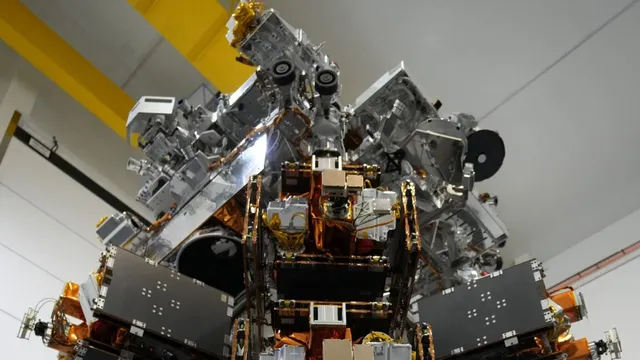
In recent months, the United States Space Force has unveiled a new document that outlines a naming scheme for its weapon systems. This initiative marks a significant step for the Space Force, which is the newest branch of the military, tracing its lineage back to the Army Air Service. The updated scheme categorizes systems, platforms, and vehicles utilizing designations that reflect their function in space operations, such as Attack, Defend, Support, Pursuit, and Terrestrial. These designators are intended to clarify the role and mission of each system within the Space Force's operational framework. As of 2022, the Space Force launched the sixth satellite under the Geosynchronous Space Situational Awareness Program (GSSAP), designated GSSAP 6 prior to launch. The program itself is vital, as GSSAP satellites patrol geosynchronous orbit, situated over 22,000 miles above Earth. These satellites actively engage in monitoring other spacecraft activities, which is crucial for maintaining space security. Additionally, the Space Force has designated its launch missions—such as the GSSAP 6—using the USSF prefix, with USSF-8 given for this particular mission, underscoring its operational capabilities. The new naming conventions not only clarify roles but also suggest strategic considerations for future operations in space. By suggesting the use of popular names alongside official designations, akin to how the F-16 fighter jet is referred to as the Fighting Falcon, the Space Force aims to bolster public engagement and recognition of its missions. This openness to popular naming reflects an understanding of the significance of cultural resonance within the military and public perception. Furthermore, the emphasis on creating refuelable platforms in space indicates a pivotal shift in operational capabilities, overcoming previous limitations of satellite maneuvers due to fuel constraints. This advancement suggests a substantial transformation in military space operations, moving towards a more sustainable and flexible model capable of addressing future challenges in the increasingly strategic domain of outer space. Overall, these developments illustrate the Space Force's commitment to deploying advanced technological solutions and strategic transparency as it carves out its operational identity among the branches of the U.S. military.


