

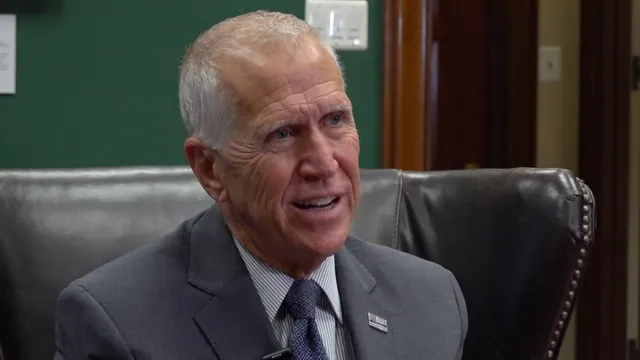
Senator Thom Tillis flags nuclear threat from Iran in the Middle East
Senator Thom Tillis flags nuclear threat from Iran in the Middle East
- Senator Thom Tillis has raised alarms about Iran's nuclear ambitions and their potential to destabilize the Middle East.
- He emphasizes the need for the U.S. to maintain a military presence globally and remain committed to its allies.
- Tillis advocates for clearer military strategies and public support for U.S. actions in the region, particularly regarding Iran.
Story
The United States has been closely monitoring the evolving situation in the Middle East, where the interplay of various powers, including Russia and Iran, is increasingly viewed as a strategic threat to regional stability. Senator Thom Tillis, a Republican from North Carolina and co-chair of the Senate NATO Observer Group, expressed concern about nuclear ambitions in Iran, suggesting that they could significantly destabilize the region. Tillis noted that if Iran successfully acquires nuclear capabilities, it would align with Moscow's interests in expanding its influence and eroding American presence as a stabilizing force. Furthermore, Tillis spoke to America's role in the ongoing conflict in Ukraine, arguing that it is essential for the U.S. to maintain a global presence and demonstrate its commitment to allies. He cited Putin's alliances with Iran and North Korea as evidence of a coordinated effort to present challenges to U.S. interests worldwide. In this interconnected landscape, Tillis emphasized the need for stronger military and diplomatic strategies to address these multifaceted threats. Tillis also called for greater public support regarding American military involvement in Iran, highlighting the current vulnerability of the Iranian regime as an opportunity for action to ensure long-term stability. He criticized previous administrations for failing to secure Congressional support for military initiatives aimed at Iran and expressed the hope that the Trump administration would re-establish leadership in supporting Ukraine while negotiating a treaty to regulate Iran’s behavior over time. In conclusion, the complex interplay of regional geopolitics, coupled with Iran's aspirations for nuclear capabilities, poses a significant challenge to U.S. policy in the Middle East. Tillis's remarks serve as a reminder that the situation is dynamic and demands ongoing attention to avoid escalating conflicts that could have far-reaching implications for global security.
Context
geopolitical market market trends impact trends data analysis strategic shift strategic policy shift market impact insight analysis market economic shift trends economic economic economic shift economic market policy data analysis analysis policy global analysis impact analysis analysis insight data strategic shift impact economic trends policy trends data market data geopolitical trends shift policy analysis economic economic shift analysis strategic trends global market data geopolitical global policy market impact global geopolitical strategic economic data trends market analysis data shift data geopolitical...


