
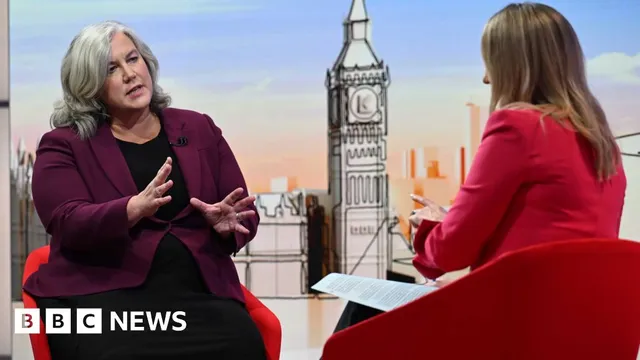
Heidi Alexander defends against claims that Budget leaks hurt economy
- Speculation about tax increases has been prevalent ahead of the Budget, raising concerns among businesses.
- Chancellor Rachel Reeves will likely propose smaller tax rises without changing income tax rates.
- The government's management of leaks and communications has drawn criticism, indicating possible negative effects on economic confidence.
Story
In the lead-up to the Budget announcement in the UK, speculation regarding tax increases has been prevalent, causing unrest among businesses and consumers. Former Bank of England chief economist highlighted that such leaks potentially impacted economic stability, triggering fears and uncertainties in markets. Government sources had leaked information suggesting possible tax increases, contrasting with Labour's electoral pledge to maintain current income tax rates. Chancellor Rachel Reeves is expected to propose several smaller tax increases without altering income tax rates, while some Labour MPs are pressuring for a revision of existing tax caps aimed at alleviating child poverty. The Conservative Party has demanded an investigation into the leaks, arguing they bring about real-world consequences affecting financial markets. The chaotic management of pre-Budget communications was criticized, suggesting that the government's handling may have worsened public and market confidence. Overall, potential austerity measures create further anxiety regarding the continuity and fiscal health of the UK's economy.
Context
The recent UK Budget for 2025 has been a focal point of discussions across political and economic circles, especially in light of significant leaks that preceded its unveiling. These leaks have not only shaped public perception but have also influenced debates within Parliament, affecting the governmental strategy regarding fiscal policy and public spending. Key components of the budget, including tax changes and spending allocations, were either hinted at or outright disclosed before the official announcement, leading to an array of reactions from various stakeholders, including the opposition parties, business leaders, and the general public. This situation raises vital questions about the management of sensitive information and the potential fallout from such leaks. The leaks regarding the budget primarily focused on anticipated tax hikes and proposed changes in public spending aimed at addressing the economic challenges faced by the country. In particular, discussions surrounding healthcare funding and support for the education sector were magnified by the premature release of information. The backlash from these leaks was significant, as they allowed opposition parties to craft counter-narratives and prepare rebuttals, potentially undermining the government's agenda before the budget was even presented. Furthermore, business leaders expressed concerns over the unpredictability these leaks introduce into economic planning and investment decisions, reflecting a broader unease within the private sector. In response to the leaks, the government has faced increased scrutiny on its communication strategies and transparency policies. There is a growing call for stricter controls over how fiscal information is disseminated to prevent the erosion of confidence in the budget process. The leaks have not only sparked debates on accountability but have also highlighted the imperative need for the government to enhance its internal processes to safeguard sensitive information. This situation exemplifies the potential consequences of inadequate information management, which can lead to significant implications for governance and the public trust. Overall, the consequences of the leaked information regarding the UK Budget 2025 continue to unfold. Stakeholders are now grappling with the ramifications of the information deceit and its impact on implementation strategies, public perception, and overall economic stability. The government must prioritize measures to bolster confidentiality and rebuild trust among its constituents. Moving forward, learning from these events will be crucial for future budgetary cycles, as transparent and well-managed communication strategies will be integral in maintaining stability and confidence in the UK’s economic framework.
