

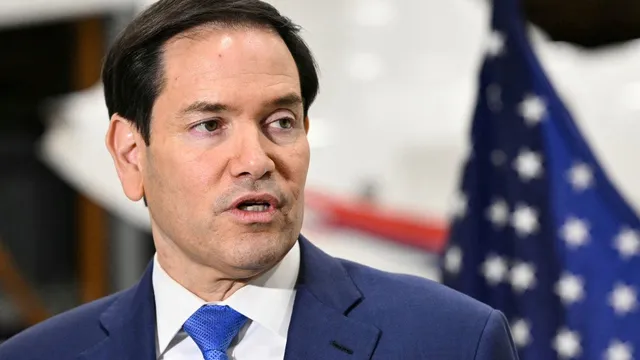
U.S. enacts visa restrictions against religious freedom violators in Nigeria
U.S. enacts visa restrictions against religious freedom violators in Nigeria
- The U.S. has introduced new visa restrictions in reaction to the rising anti-Christian violence in Nigeria.
- Secretary of State Marco Rubio stated that the policy targets those supporting violations of religious freedom.
- The new measures reflect the U.S. commitment to combating atrocities against Christians both in Nigeria and globally.
Story
In response to rising violence and persecution against Christians, the United States has introduced new visa restrictions targeting violators of religious freedom in Nigeria. This action was announced by Secretary of State Marco Rubio as a part of a wider effort to protect religious minorities. The new policy allows the State Department to deny visas to individuals who either directly or indirectly support these violations, which have intensified in recent years. The situation in Nigeria has been dire, with numerous attacks on Christian communities leading to thousands of deaths and displacements. The context of these visa restrictions stems from ongoing violent acts perpetrated by radical groups such as Boko Haram and Fulani militants. Reports indicate that over 50,000 Christians have lost their lives to religiously motivated violence since 2009, with more than 7,000 fatalities recorded in the first half of 2025 alone. These figures illustrate the urgency of the U.S. response. The U.S. aims to send a clear message that it will not stand idly by while atrocities occur, reinforcing its position on international human rights. The announcement follows other diplomatic efforts by the Trump administration, including the designation of Nigeria as a “Country of Particular Concern” for its treatment of religious minorities. This designation helps highlight the plight of Christians facing persecution and is part of broader discussions amongst U.S. lawmakers concerning international religious freedom. The implications of the new visa policy are significant, as they extend beyond Nigeria to include any individuals or governments that engage in or support violations of religious freedom on a global scale. Responding to calls for increased action, the Trump administration is now faced with the challenge of enforcing these restrictions effectively and addressing the broader humanitarian crisis in Nigeria and other affected regions. Continued advocacy for the protection of religious freedom worldwide is crucial in light of these developments.


