

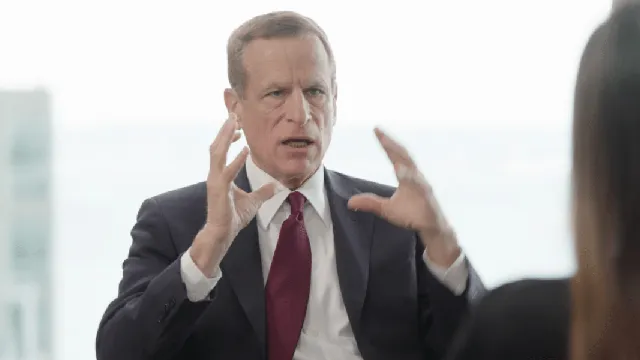
Kaplan highlights the need for leaders to empower their subordinates as coaches
Kaplan highlights the need for leaders to empower their subordinates as coaches
- Rob Kaplan, the vice chair of Goldman Sachs, emphasizes the transition leaders undergo as they become more senior.
- He identifies the risks of isolation and blind spots for senior leaders and advocates for regular feedback from subordinates.
- Kaplan encourages leaders to shift their perspective on leadership to foster inclusion, teamwork, and mutual growth.
Story
In 2024, Rob Kaplan returned as vice chair of Goldman Sachs after previously serving on the faculty at Harvard Business School and as president of the Dallas Federal Reserve. During a masterclass conversation, he discussed the transition from junior to senior leadership and the challenges that arise when senior leaders become less visible to their teams. Kaplan identified serious obstacles that leaders face, particularly the risk of becoming isolated and unaware of their own blind spots due to a lack of feedback from subordinates. He recommended that leaders encourage their teams to freely share thoughts about their actions while also maintaining a curriculum that emphasizes honest communication and collaboration across their organizations. Kaplan also noted that many senior leaders believe their past successes will continue to drive future results. This overreliance on historical performance can lead to stagnation and the same mistakes being repeated. He urged leaders to model the behavior they seek from their employees, stressing the importance of teamwork while being aware of how their hiring decisions impact organizational culture. To counter these pitfalls, Kaplan advocates for regular one-on-one 'skip level' meetings, stating that fostering an inclusive environment where employees feel empowered to express their thoughts is essential for team cohesion and success. Furthermore, he pointed out the key to overcoming leaders' insecurities lies in engaging with a trusted outside confidant. This practice can help leaders articulate their priorities and seek guidance in navigating challenges that come with senior management. Overall, Kaplan's insights highlight the need for continuous growth and adaptation in leadership roles, emphasizing that effective leadership is less about personal prowess and more about collaboration and open dialogue. By addressing both personal blind spots and the culture within their organizations, leaders can maintain an adaptive and responsive approach to management. Ultimately, this conversation serves as a timely reminder for current and aspiring leaders that cultivating a feedback-rich environment can create more engaged and accountable teams. The frameworks outlined by Kaplan strive to mitigate the 'senior management trap' while encouraging mutual growth and partnership within corporate settings, ensuring that when teams thrive collectively, organizational objectives are more readily achieved.


