

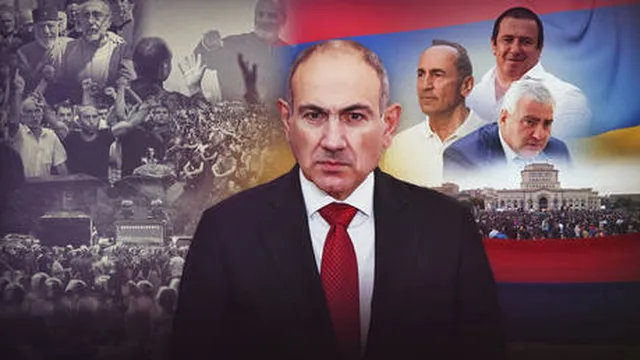
Armenian authorities arrest opposition candidates before elections
Armenian authorities arrest opposition candidates before elections
- Six candidates from the opposition Strong Armenia bloc were detained by Armenian authorities a day before the elections.
- The ruling Civil Contract party is expected to remain the largest force in parliament but may not secure a majority.
- The detentions have raised concerns about the democratic integrity of the elections and the political climate in Armenia.
Story
In Armenia, on June 6, 2026, authorities detained six candidates from the opposition Strong Armenia bloc just a day before the parliamentary elections. This action came amid increasing pressure on opposition parties as the country heads to the polls. Prime Minister Nikol Pashinyan, who has been in power since 2018, has been advocating for closer ties with the European Union while maintaining relations with Russia. The detentions have raised concerns about the democratic integrity of the elections, with accusations of political repression against the ruling party. The Central Election Commission, however, did not remove Strong Armenia from the ballot despite the arrests. The political landscape in Armenia has become increasingly polarized, with Pashinyan's ruling Civil Contract party expected to remain the largest force in parliament, although it may struggle to secure a majority. The opposition, which includes 17 parties and political blocs, is heavily fragmented, making coalition-building uncertain. The Strong Armenia bloc, led by businessman Samvel Karapetyan, is polling second in the elections, but the political dynamics are complicated by the presence of undecided voters and varying poll results. International reactions to the detentions have been critical, with Russian officials expressing concerns about the legitimacy of the electoral process. Former Russian President Dmitry Medvedev accused Pashinyan of attempting to eliminate his rivals, while the Russian Foreign Ministry warned that such actions undermine democratic procedures. The geopolitical implications of the elections are significant, as Armenia's pivot toward the West has strained its traditional ties with Russia, raising questions about the future of its membership in the Eurasian Economic Union. As the elections approach, the atmosphere in Armenia is tense, with opposition forces alleging that the government is using intimidation tactics to suppress dissent. The outcome of the elections is seen as a referendum on Pashinyan's leadership and the country's direction, particularly regarding its foreign policy and relations with major powers like the EU and Russia. The situation remains fluid, and the results of the elections will likely have lasting implications for Armenia's political landscape and its international standing.


