

WHO endorses GLP-1 medications as crucial tools for obesity management
WHO endorses GLP-1 medications as crucial tools for obesity management
- The WHO has recommended GLP-1 medications as a key component in the management of obesity in adults.
- These drugs, which help reduce appetite, should be used continuously for six months or more when appropriate.
- This shift emphasizes the need for comprehensive obesity treatment strategies that include medication, diet, and lifestyle changes.
Story
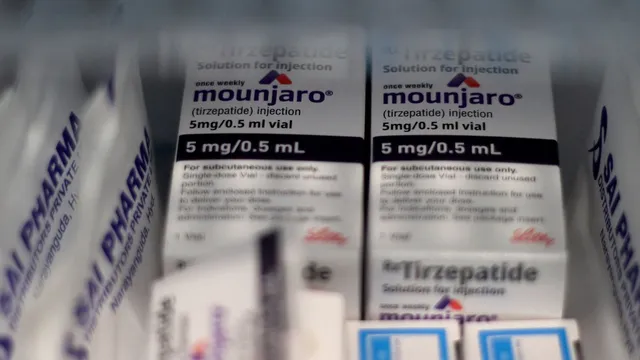
In September 2023, the World Health Organization (WHO) made a significant announcement regarding the management of obesity by recommending GLP-1 medications for adults. The new guidance reflects a growing recognition of obesity as a chronic disease rather than just a lifestyle issue. The recommendation comes at a time when obesity rates are soaring, with projections indicating that over 1 billion people worldwide currently suffer from obesity, a figure expected to rise to 2 billion by 2030. The WHO cautioned that medication alone cannot address this complex issue, highlighting the need for a comprehensive approach that integrates healthy eating and physical activity. The WHO's endorsement for GLP-1 drugs like semaglutide, liraglutide, and tirzepatide signifies a pivotal shift in obesity treatment. These medications mimic a hormone responsible for signaling fullness, thereby helping patients manage their appetite effectively. The WHO's guidance emphasizes the importance of ongoing use of these drugs, defined as a continuous treatment over six months or more, when clinically appropriate. This new approach aligns with a broader strategy that focuses on preventing complications associated with obesity by treating it as a long-term health concern from early stages. This transition in WHO's perspective was influenced by calls from member states for updated guidelines. The organization's recommendations are particularly relevant for healthcare providers, as many countries look to WHO guidelines to shape public health policies. The emphasis on fair access to these medications is clear, with WHO urging nations to prioritize treatment for individuals with the most significant medical needs. The agency noted that accessibility remains a hurdle due to high costs and limited availability, underscoring the necessity for nations to develop equitable healthcare pathways. Moving forward, the WHO acknowledges the critical need for more long-term data regarding the safety and effectiveness of GLP-1 medications. There is also a push for lowering prices to enhance accessibility, as many patients report improved adherence to healthier eating habits when using these drugs. As the epidemic of obesity poses increasing challenges globally, WHO's latest initiative represents a crucial step in fostering a new, evidence-based discussion around obesity management that combines pharmacological interventions with traditional dietary changes and lifestyle modifications. This historical change marks a potential turning point in how obesity is treated within healthcare systems around the world.
Context
GLP-1 drugs, or glucagon-like peptide-1 receptor agonists, are a class of medications primarily used to manage type 2 diabetes and, more recently, obesity. They mimic the action of the naturally occurring hormone GLP-1, which is involved in glucose metabolism. Upon ingestion of food, GLP-1 is secreted by the intestines, promoting insulin secretion from the pancreas in a glucose-dependent manner, thus lowering blood glucose levels. Additionally, these drugs also suppress glucagon secretion, which reduces hepatic glucose production, further contributing to improved glycemic control. By enhancing the body's own response to glucose, GLP-1 drugs provide a more balanced and physiological approach to managing diabetes compared to some traditional treatments that may cause hypoglycemia more readily. In terms of their effects on body weight, GLP-1 drugs have been shown to promote satiety and reduce appetite. By acting on the brain's appetite centers, they help individuals feel fuller sooner and reduce overall calorie intake. Clinical studies have demonstrated significant weight loss associated with GLP-1 therapy, making these drugs beneficial for patients with type 2 diabetes who are also overweight or obese. This dual benefit of controlling blood sugar levels while promoting weight loss positions GLP-1 drugs as a compelling option for integrated diabetes management and weight-related health issues. The common side effects of GLP-1 drugs include gastrointestinal symptoms such as nausea, vomiting, diarrhea, and abdominal pain, particularly during the initial phases of treatment. These side effects often diminish over time as the body adjusts to the medication. However, it's important to note that GLP-1 drugs are contraindicated in individuals with a personal or family history of medullary thyroid carcinoma or Multiple Endocrine Neoplasia syndrome type 2, due to concerns over thyroid C-cell tumors observed in rodent studies. Despite this, safety profiles in human studies generally support their use, with cardiovascular benefits also reported, including reduced risks of major adverse cardiovascular events in patients with type 2 diabetes who have existing cardiovascular disease. Ongoing research continues to explore the potential of GLP-1 drugs beyond diabetes and obesity. Their neuroprotective properties and roles in other metabolic disorders are of particular interest. As the landscape of diabetes treatments evolves, GLP-1 drugs remain a key focus, with new formulations and combination therapies being developed. These advancements aim to improve patient adherence and outcomes, especially in populations with complex health needs. Ultimately, GLP-1 receptor agonists are a remarkable advancement in pharmacotherapy, providing significant benefits for managing diabetes and potentially enhancing overall health.


