

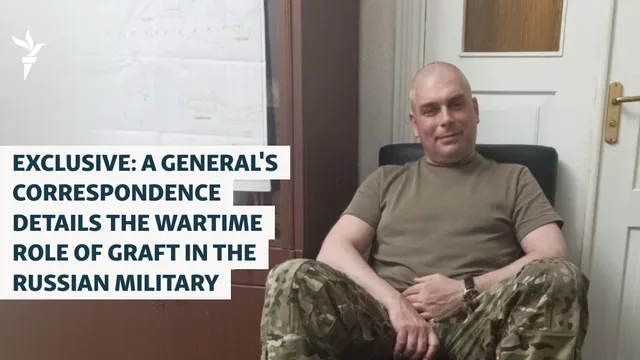
Military officer exposes rampant bribery and possible war crimes
Military officer exposes rampant bribery and possible war crimes
- A series of communications by Roman Demurchiev reveal a culture of bribery in the Russian military.
- Evidence suggests military personnel are paying large sums to avoid combat deployments.
- These findings raise serious concerns about military ethics and accountability during wartime.
Story
In Ukraine, a trove of communications from Russian officer Roman Demurchiev reveals significant evidence of corruption within the military. These messages, including text and audio, have been under investigation by Schemes and Systema from RFE/RL's Ukrainian Service. The correspondence outlines the Russian military's hierarchy and operational procedures, shedding light on the systemic bribery. Bribes for referrals or promotions have become commonplace in the Russian Army, with soldiers allegedly paying up to 1 million rubles to avoid combat. Demurchiev, promoted in June 2023, detailed numerous instances of money being solicited or transferred among military personnel. Alongside the financial aspects, the messages contained troubling content linked to possible war crimes. Demurchiev recounted events involving captured Ukrainian soldiers who were shot under his command, signaling a broader issue of military conduct. The documents also indicate a mutual financial relationship between Demurchiev and his superiors, further illustrating the pervasive corruption within the armed forces. A particularly disturbing narrative emerged concerning a former superior, General Ivan Popov, who was arrested for fraud involving significant amounts of funds meant for defense infrastructure. Demurchiev's communications showcase an informal structure of financial exchanges where officers frequently sought funds from subordinates while providing assistance to higher-ranking officials. This culture of bribery seems embedded in the military fabric, fostering an environment where unethical practices and potential war crimes occur without substantial oversight. Furthermore, the messages highlight concerns about the emotional and psychological state of soldiers involved in such conflicts, particularly regarding their roles in violent actions against captured opponents. As this evidence came to light amid ongoing tensions in Ukraine, it raises important questions about accountability and reform within the military. The ethical implications of these revelations cannot be overstated, as they challenge the integrity of military operations and the adherence to international law by Russian armed forces. The evidence illustrates a disturbing normalization of corruption and inhumane practices in conflict, prompting a critical discourse on the future of military governance in Russia, especially regarding battlefield conduct and accountability measures. As investigations continue, greater scrutiny on military behaviors and operations is necessary to uphold ethical standards and prevent human rights violations in warfare. The situation remains fluid as further evidence may emerge from ongoing investigative efforts.


