

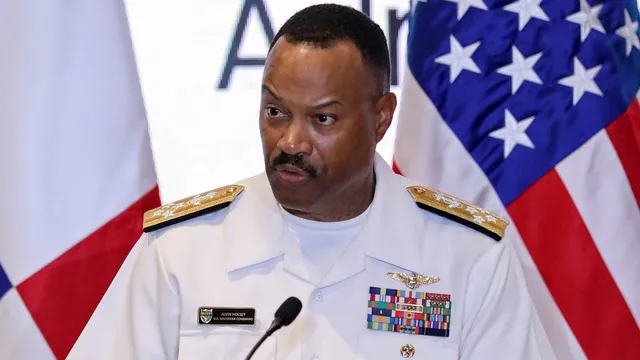
Admiral resigns amid controversy over lethal boat strikes in Venezuela
Admiral resigns amid controversy over lethal boat strikes in Venezuela
- U.S. Southern Command, led by Admiral Holsey, faced scrutiny over lethal strikes against alleged drug traffickers in Venezuela.
- Concerns regarding the legality of military operations culminated in a confrontation between Holsey and Defense Secretary Hegseth.
- The departure of Holsey has prompted investigations and raised questions about U.S. military policy in the region.
Story
In December 2025, significant tensions arose in military operations in Venezuela, where the United States began conducting lethal strikes against alleged drug trafficking vessels. These operations were led by the U.S. Southern Command under Admiral Alvin Holsey. Concerns about the legality of these operations had been raised, particularly following a 'double tap' strike on September 2, 2025, which resulted in civilian casualties. Holsey reportedly expressed his concerns during discussions with President Trump’s Defense Secretary Pete Hegseth, leading to tensions between them. In October 2025, Holsey offered to resign amid this discord, stating it had been an honor to serve but providing no specific reason for his departure. His planned retirement from the Navy was set for December 12, 2025, after only a little more than a year leading SOUTHCOM. Lawmakers and military experts were stunned by Holsey's decision, indicating the seriousness of the situation within the command. Concerns about the legality and ethics of the operations persist, and many view Holsey's exit as extraordinary at a time when military actions were especially contentious. Consequently, investigations into the operations and their legality by bipartisan groups were announced, further illustrating the political and social ramifications of these military actions. This backdrop of tension reflects the growing complexity around U.S. foreign policy in the region, marked by conflicting strategies and urgent concerns about legality and moral implications of military force against drug trafficking in Venezuela. As the U.S. escalated its military presence in the region, the implications of these actions continue to spark debate regarding military engagement and international law regarding the use of lethal force against suspected traffickers.


