

Zelensky warns of missile shortage as Iran war continues
Zelensky warns of missile shortage as Iran war continues
- Ongoing conflict in Iran has lasted for three weeks, affecting military resources globally.
- Ukraine risks a critical depletion of missiles needed for its defense against Russia.
- Zelensky expresses deep concern, stating that Putin could benefit from the prolonged conflict in Iran.
Story
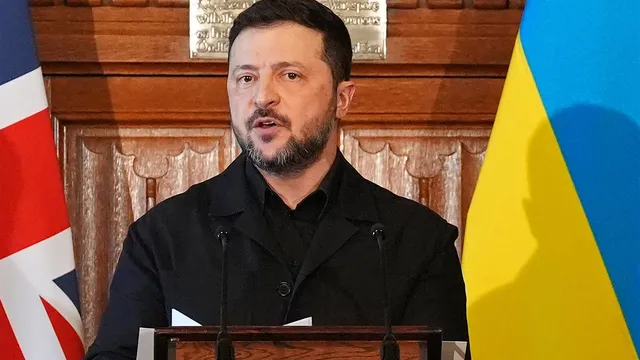
Ukraine is facing a critical shortage of missiles in its fight against Russia, a situation exacerbated by the ongoing conflict in Iran, which has entered its third week. Volodymyr Zelensky, Ukraine's president, expressed grave concerns about the impact of this war on his country during a recent visit to London. With Iran retaliating against U.S. and Gulf state assets, Zelensky highlighted how a drawn-out war could serve Russian President Vladimir Putin’s strategic interests by consuming U.S. resources and reducing military support for Ukraine. He noted that as missile reserves decrease, Ukraine's ability to defend itself against increased Russian drone attacks and military aggression also diminishes. Zelensky has characterized Russia and Iran as
Context
The ongoing conflict in Iran has significant implications for global geopolitical dynamics, particularly concerning missile supplies to Ukraine. As the war in Iran unfolds, it influences regional politics and arms trade, which directly affects Ukraine's ability to procure essential military supplies. The intersection of Ukraine's defense needs amidst its conflict with Russia and the evolving situation in Iran illustrates the complexities of international relations and military logistics. Iran, historically a supplier of arms and military technology to various actors in the region, has been partially isolated due to ongoing sanctions and military engagements, thus reshaping its ability to engage in arms trade. In recent years, Ukraine has sought to enhance its military capabilities in response to Russian aggression, primarily focusing on missile technology and advanced weaponry. However, the supply chain for such military equipment becomes precarious when key suppliers, like Iran, become embroiled in conflict. The diversion of Iranian resources to support its military endeavors can result in diminished missile export potential, which significantly impacts Ukraine's defense strategy. Moreover, the reliance on external suppliers such as Iran means that Ukraine must navigate not only the logistics of procurement but also the geopolitical ramifications of engaging with a nation in conflict. Additionally, the dynamics of international arms interactions mean that as the situation in Iran intensifies, there could be shifts in alliances and partnerships within the region. Countries observing the conflict are likely to reevaluate their support for either side, which could lead to greater instability in arms supply chains. For Ukraine, this presents a growing concern as it attempts to secure missile supplies from various global partners while contending with a landscape that could restrict access based on the alliances formed in response to the Iranian conflict. The uncertainty regarding missile supplies can detract from Ukraine's military preparedness, prompting it to seek alternative sources and engage in diplomatic negotiations that could reshape its defense posture. In conclusion, the impact of the Iran war on missile supplies to Ukraine encapsulates a critical challenge for Ukrainian military planning. The disruption of established supply lines, potential sanctions on Iranian arms exports, and the shifting alliances fostered by the conflict serve as considerable barriers to Ukraine's access to military resources. As Ukraine continues to navigate these challenges, understanding the broader geopolitical landscape will be essential in securing the necessary military support to sustain its defense efforts against external threats. This situation necessitates strategic foresight and adaptability, as the implications of the Iranian conflict reverberate across international borders, affecting the provision of military supplies in a changing global environment.


