

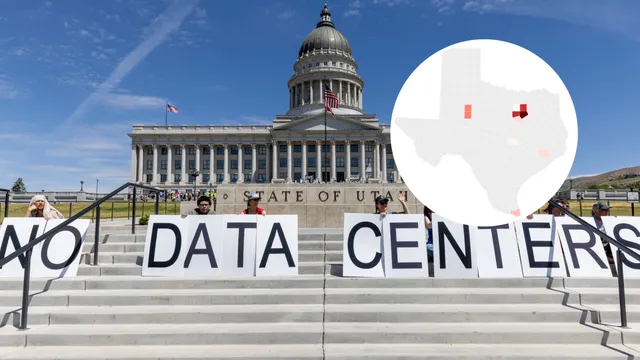
Texas grapples with soaring demand for data centers amid energy concerns
Texas grapples with soaring demand for data centers amid energy concerns
- Texas has received over 480 requests for large data centers to connect to ERCOT through 2032, seeking more than 418 gigawatts of electricity.
- Governor Abbott has proposed regulatory measures to ensure data centers bear the costs of their expansion and address community concerns.
- Growing opposition to data centers highlights the need for stronger regulations to protect local resources and communities.
Story
In Texas, the demand for large data centers has surged, with over 480 facilities requesting connections to the Electric Reliability Council of Texas (ERCOT) through 2032. These centers are seeking more than 418 gigawatts of electricity, which is nearly five times the record power demand of 85.8 gigawatts set during a heat wave in the summer of 2023. This unprecedented demand raises concerns about the strain on the state's energy resources and the potential impact on local communities. As a result, there is growing opposition to data center construction, prompting calls for stronger regulations from various stakeholders, including Texas Governor Greg Abbott. Governor Abbott has proposed a series of regulatory measures aimed at ensuring that data centers bear the costs and impacts of their rapid expansion. These recommendations include mandatory use of closed-loop water systems, annual reporting of electricity and water consumption, and the adoption of best-practice standards to address community concerns such as noise. Abbott also suggested ending sales tax exemptions and other incentives for data centers, arguing that these benefits are outdated and no longer necessary in light of the current situation. The backlash against data center construction is not limited to Texas; it is a nationwide trend. Many communities across the U.S. have paused development through temporary moratoriums, with over 60 currently active. A recent survey indicated that 71 percent of Americans oppose having a data center built near their homes, reflecting a significant increase in public sentiment against these facilities. The construction of data centers requires massive amounts of water and electricity, which strains local resources and raises environmental concerns. The situation in Texas is further complicated by the fact that the state has awarded numerous tax credits and subsidies to data center projects, with Texas and Washington accounting for the majority of these incentives. As the demand for data centers continues to grow, the state must balance economic development with the need to protect its energy resources and address community concerns. The upcoming 2027 legislative session will be crucial in determining how Texas manages this influx of artificial intelligence infrastructure and the associated challenges.
Context
analysis economic data economic data data strategic impact analysis economic data analysis global analysis analysis trends shift insight impact insight strategic policy insight policy strategic analysis strategic data data impact market strategic geopolitical market strategic market insight strategic global global strategic analysis data global strategic global economic geopolitical market global global geopolitical market market strategic shift market strategic strategic impact insight geopolitical policy economic impact analysis policy strategic trends market analysis geopolitical economic economic insight market analysis global impact market...


