

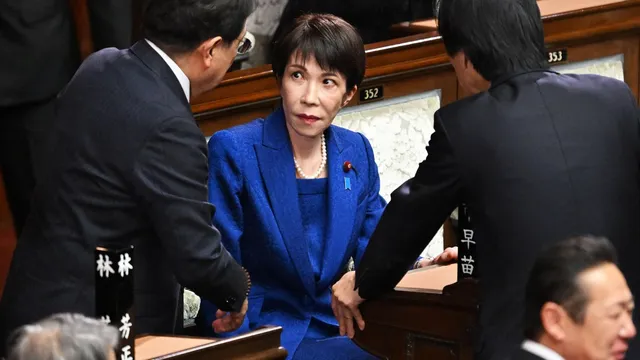
Sanae Takaichi dissolves parliament to force snap election
Sanae Takaichi dissolves parliament to force snap election
- On Friday, January 23, 2026, Prime Minister Sanae Takaichi dissolved the lower house of Parliament.
- The dissolution sets the stage for a snap election on February 8, 2026, amid growing challenges for the Liberal Democratic Party.
- The political climate indicates a splintered opposition may struggle to pose a serious threat in the upcoming election.
Story
In Japan, on Friday, January 23, 2026, Prime Minister Sanae Takaichi announced the dissolution of the lower house of Parliament, allowing for a snap election scheduled for February 8, 2026. This decision comes only three months into her tenure as prime minister and is aimed at consolidating her political power amid challenges facing her party, the Liberal Democratic Party (LDP). The LDP is currently under the shadow of a series of corruption scandals and public dissatisfaction. Takaichi’s administration has faced criticism for its reluctance to address budget passage delays, which opponents argue hampers necessary economic measures. Rising tensions with China further complicate the political landscape, especially after Takaichi's comments about potential military involvement should China act against Taiwan. These remarks have been met with heightened diplomatic strife with Beijing. Takaichi’s hardline stance and ambition for greater military investment are complemented by the pressure from former U.S. President Donald Trump for Japan to enhance its defense spending. Takaichi insists that her policies on military and fiscal matters are essential for ensuring Japan's strength and prosperity. The Liberal Democratic Party, despite its slim majority in the lower house, is grappling with issues of public confidence and opposition fragmentation. The Centrist Reform Alliance, formed by the main liberal opposition groups, aims to unite moderate voters but faces challenges in appealing to a diverse electorate. Critics argue that the opposition remains too splintered to pose a serious threat in the upcoming election, and recent polling data suggests a lack of momentum for the alliance. As the election approaches, voters will assess Takaichi's political platform, which emphasizes military buildup, economic reform, and stricter immigration policies. In this nuanced political environment, Takaichi's career hangs in the balance as she stakes her future on this election. The upcoming campaign will officially commence on Tuesday and is expected to be brief, lasting only 12 days. The political climate in Japan is evolving, with questions of governance, security, and national identity at the forefront of electoral discourse. Takaichi aims to frame her proposals regarding military and fiscal strategies as vital for Japan’s future, navigating through a period marked by internal party difficulties and external geopolitical tensions.


