

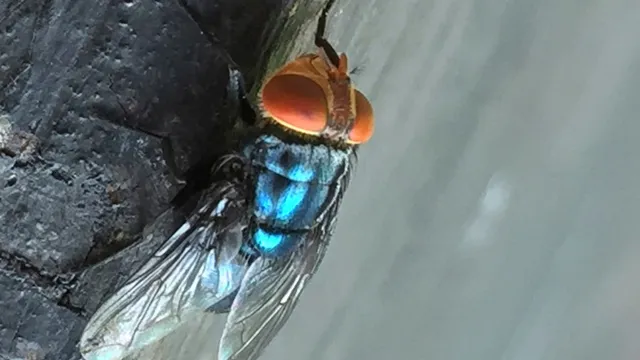
New World screwworm threatens Texas cattle industry
New World screwworm threatens Texas cattle industry
- A three-week-old calf in La Pryor, Texas, was found infested with the New World screwworm, prompting immediate action.
- A 12-mile quarantine zone has been established to prevent the movement of warm-blooded animals without inspection.
- The discovery poses a serious threat to the cattle industry, which is already facing challenges from low cattle numbers and high beef prices.
Story
In the United States, a significant agricultural concern has emerged with the discovery of the New World screwworm in a three-week-old calf located in La Pryor, Texas, approximately 50 miles from the Mexican border. This case marks the first detection of the screwworm in Texas since 1966, raising alarms among agricultural officials and cattle industry leaders. In response to this threat, Texas State Veterinarian Bud Dinges has established a 12-mile quarantine zone around the infested area, which prohibits the movement of any warm-blooded animals, including pets, without inspection. The U.S. Department of Agriculture (USDA) has confirmed that there have been no further detections of the fly in the country, but the potential for economic impact is significant, especially given the already strained cattle industry due to low cattle numbers and high beef prices. The New World screwworm is a parasitic fly that lays its eggs in open wounds, leading to larvae that consume the flesh of warm-blooded animals. This situation is particularly concerning as the larvae can infest livestock, pets, and even humans, posing a serious health risk. Agriculture Secretary Brooke Rollins has emphasized that while the larvae threaten livestock production, they do not infest food. Proper treatment can lead to recovery for the infested calf, but the potential for further outbreaks remains a pressing issue. The USDA has been actively monitoring the situation, having previously released millions of sterile screwworm flies in an effort to control the population and prevent establishment in the U.S. The arrival of the New World screwworm has been attributed to various factors, including human migration, illegal animal movement, and changing weather patterns. The USDA has invested significantly in efforts to combat the screwworm, including converting a fruit-fly breeding facility in southern Mexico into a screwworm fly breeding operation and constructing a new fly factory in Texas. Despite these efforts, the pest's presence has raised concerns about the economic ramifications for the cattle industry, which is already facing challenges from drought, rising input costs, and labor shortages. As the situation evolves, federal health agencies have reassured the public that the risk of widespread infestation remains low. However, pet owners and ranchers are urged to be vigilant and respect the quarantine measures in place. The discovery of the New World screwworm serves as a reminder of the ongoing challenges posed by invasive species and the importance of proactive measures to protect livestock and public health.
Context
trends market policy market impact impact insight economic shift global impact insight insight trends market shift market shift policy economic trends data economic trends insight global data geopolitical geopolitical geopolitical shift market analysis market policy analysis policy trends strategic trends global policy global market market policy strategic trends global data insight geopolitical impact strategic analysis global trends strategic economic impact trends policy market analysis strategic policy geopolitical global market trends shift global impact economic economic geopolitical economic policy market shift...


