

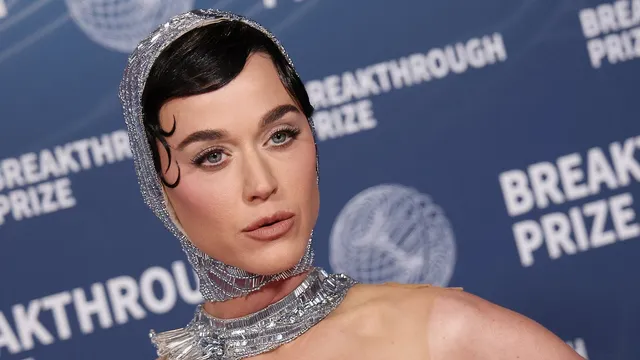
Katy Perry loses trademark battle as court backs designer Katie Perry
Katy Perry loses trademark battle as court backs designer Katie Perry
- Katie Jane Taylor, a fashion designer, contested the trademark rights against pop star Katy Perry.
- In a recent ruling by the High Court of Australia, Taylor's trademark was upheld as valid.
- The case illustrates significant issues regarding trademark protection for small businesses in Australia.
Story
In Australia, a lengthy trademark dispute culminated in a ruling by the High Court in favor of fashion designer Katie Jane Taylor, who operates under the name Katie Perry. This ruling, issued on March 11, 2026, followed a complex legal saga that spanned nearly 17 years, centering around the rights to sell clothing using the Perry name. Initially, the conflict arose in 2009 when Katy Perry's legal team contacted Taylor, demanding she cease trading under her registered trademark, which she refused, leading to legal action. In 2019, Taylor filed a complaint alleging that Katy Perry’s merchandise infringed upon her registered mark, prompting further litigation. The High Court's decision confirmed that Taylor's trademark was valid and not misleading to consumers, distancing it from the American pop star's branding and affirming that her rights protected her small business interests in Australia. This verdict has implications for both artists and small business owners, emphasizing trademark law’s role in regulating competition and protecting legitimate enterprises. It also serves as a commentary on the powers that established brands hold over newer businesses, underscoring the importance of defining intellectual property rights in a way that is fair to all parties regardless of their market position. In her statement, Taylor expressed relief and satisfaction with the ruling, asserting it validated her years of struggle and highlighted the necessity of protecting small businesses within the legal framework of commerce and trademark ownership. As publicly shared sentiments from fans and industry professionals began to surface following the ruling, the conversation around the case shifted towards broader implications for trademark disputes in the creative industries.


