

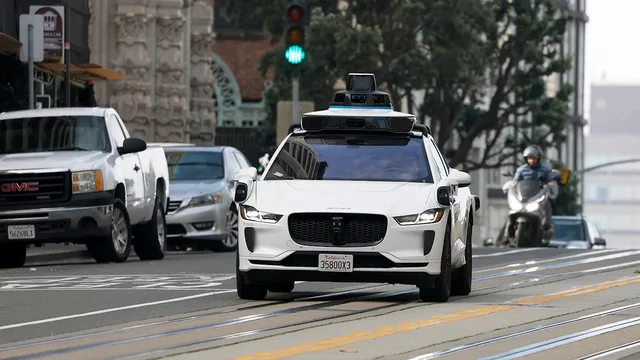
Woman gives birth in waymo taxi during ride to hospital
Woman gives birth in waymo taxi during ride to hospital
- A San Francisco woman gave birth inside a Waymo self-driving taxi while on her way to a medical center.
- Waymo's rider support team detected unusual activity during the ride and alerted 911.
- This incident illustrates the real-life implications of autonomous vehicle technology amidst ongoing scrutiny.
Story
In an unexpected incident, a woman in San Francisco experienced childbirth while traveling in a Waymo self-driving taxi. On a Monday morning, the mother was en route to the University of California, San Francisco medical center when her labor commenced. Despite the unconventional setting, a Waymo spokesperson confirmed that both mother and newborn arrived safely at the hospital prior to emergency responders. This occurrence highlights the evolving landscape of transportation options in urban areas. The driverless technology employed by Waymo continues to raise safety and operational questions, but moments like this reflect the potential real-life utility of autonomous vehicles. Although more details about the birth event were not shared publicly, it has been noted that this was not the first instance of a baby being delivered in a Waymo taxi, suggesting that such occurrences, while rare, are part of the ongoing integration of self-driving technology into everyday life. The mother declined to participate in interviews post-delivery, and Waymo stated that following the ride, the vehicle was removed from service for thorough cleaning, indicating the company's protocols after such a unique event. This positive story regarding the Waymo self-driving taxis contrasts sharply with previous headlines that focused on their involvement in more negative incidents, including an illegal U-turn committed by one of the cars and the tragic death of a local cat. As autonomous vehicle technology progresses, public scrutiny continues to mount, highlighting both the potential benefits and risks associated with these innovations in transportation.
Context
The history of births in autonomous vehicles represents a fascinating intersection of technology and societal change. Initially, the concept of autonomous vehicles began gaining traction in the early 21st century with significant advancements in sensor technologies, machine learning, and artificial intelligence. This led to the development of prototypes by various automotive companies and tech firms, but it wasn't until the 2010s that notable strides were made in public demonstrations and regulatory discussions regarding their use on public roads. The introduction of level 3 and level 4 automation vehicles, capable of self-driving under certain conditions, marked a turning point in the capability of such vehicles to operate without human intervention. Coincidentally, these vehicles began to facilitate the transportation of individuals in various states of medical need, thus impacting birth rates in unique ways. As autonomous technology evolved, there emerged a consideration for maternal healthcare improvements through the use of self-driving cars. Expectant mothers could access prenatal care more readily, and the risk of reaching healthcare facilities during delivery was reduced due to the reliability and safety features of these vehicles. Increased access to healthcare services, combined with the reduction in stress associated with transportation, fostered an environment conducive to higher rates of successful births in urban areas where autonomous vehicle deployment was most practical. Furthermore, emerging data hinted at a noteworthy correlation between the availability of autonomous ride-sharing services and increased birth rates, particularly among populations that traditionally faced transportation barriers. By the late 2020s, the landscape of childbirth had been increasingly influenced by technological advancements in vehicular automation. Expecting parents could utilize apps integrated with autonomous navigation to schedule trips to hospitals with minimal hassle, creating a seamless transition from home to delivery. The implementation of autonomous delivery services for essential items, such as diapers and baby supplies, also became commonplace and contributed to the overall positive experiences surrounding early parenting. However, several challenges remained, including public perception of automated systems, the regulatory landscape, and ethical considerations regarding the human aspects of childbirth in automated settings. Continuous improvement of safety measures and the mitigation of potential technical malfunctions turned into crucial components of promoting public acceptance. The societal impact of births in autonomous vehicles demonstrates that these vehicles are not just about transportation efficiency but also about enhancing quality of life and access to health services. The birth rate trends, behavioral shifts regarding public transportation, and healthcare accessibility are testament to the broader societal integration of autonomous vehicles. As autonomous technology continues to advance, the intersection of births and vehicular automation will likely inspire further developments in both sectors, ensuring that healthcare accessibility remains at the forefront while addressing the nuances of human experiences surrounding childbirth. Future discussions on this topic will need to evaluate the implications of these technological advancements on family planning, community health initiatives, and urban development to ensure that they remain beneficial to society as a whole.


