

Iran’s proxies escalate attacks against US forces in Iraq
Iran’s proxies escalate attacks against US forces in Iraq
- Pro-Iranian militias in Iraq have intensified attacks on US targets since late February 2026.
- Retaliatory strikes from the US have followed these attacks, highlighting rising tensions.
- The situation threatens Iraq's stability, which is precarious after years of conflict.
Story
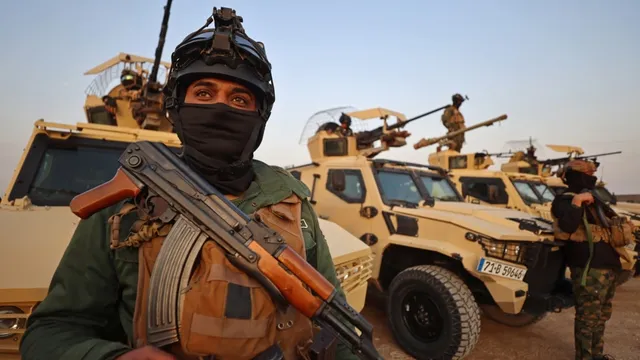
Iraq has become a battleground in the escalating conflict between Iran and the United States, with pro-Iranian militias conducting nearly daily assaults on US targets within the country. Since February 28, 2026, these militias, operating under the umbrella of the Islamic Resistance in Iraq and the Popular Mobilization Forces, have launched drone and rocket attacks particularly aimed at the US Embassy in Baghdad. This marks a significant increase in hostilities given the recent US-Israeli air campaign against Iran, which has drawn a firm response from Tehran's proxies who feel the dire implications of the conflict for their existence. The tensions in Iraq have been further exacerbated by Iran’s direct involvement, utilizing its own military assets and asymmetric tactics to counter perceived threats from the US and Israel. With the ongoing conflict, Iranian forces have also directed missile and drone strikes toward Iraq's Kurdish region, where various Iranian Kurdish opposition factions have been based. This pattern of violence risks destabilizing Iraq, a nation already recovering from years of conflict following the US-led invasion in 2003. Approximately 2,000 US troops remain stationed in Iraq, creating additional points of friction. The militant group Kataib Hizballah, a prominent player in the Popular Mobilization Forces and designated a terrorist organization by the US, has publicly declared a demand for all foreign soldiers to exit Iraq. The group has cited US aggression as a reason for its series of attacks, which recently included a strike that allegedly targeted the residence of a leading pro-Iranian militia commander. While the exact impact of ongoing conflicts on Iranian weapon supply chains remains uncertain, the risk of heightened violence demonstrates how the conflicts around Iran could broaden into Iraq and destabilize the region further. The Biden administration's stance on Iran's influence is also put to the test, as it navigates the ongoing tensions and the response needed to safeguard US personnel and interests in Iraq and the wider Middle East.
Context
The Popular Mobilization Forces (PMF) in Iraq, officially known as Al-Hashd Al-Shaabi, emerged as a crucial component of the Iraqi security landscape in response to the threat posed by the Islamic State (IS) in 2014. Established by a fatwa from Grand Ayatollah Ali al-Sistani, the PMF consists of various militia groups, including Shia, Sunni, and Christian fighters, and has played a pivotal role in the fight against IS. Initially formed to protect Iraq’s territorial integrity and support the Iraqi Army, the PMF has since evolved, gaining legitimacy and support from the Iraqi government. This report will examine the PMF's development, structure, and its implications for Iraq's security and political dynamics. As the PMF rapidly expanded, it received significant backing from Iran, which influenced its operational conduct and organizational structure. The Iranian Revolutionary Guard Corps (IRGC) has provided training, funding, and resources to many PMF factions, creating a complex relationship between Iraqi sovereignty and Iranian influence. While the PMF has been instrumental in reclaiming territories lost to IS, their growing power has raised concerns about their potential to undermine the Iraqi state. The organization’s integration into the Iraqi security apparatus in 2016, marked by its incorporation into the Popular Mobilization Commission, aimed at formalizing their status and enhancing coordination with regular armed forces; however, it has also led to power struggles and tensions among various armed factions. The operational successes of the PMF against IS have simultaneously established their reputation as defenders of Iraq, bolstering their support among certain segments of the Iraqi population. Nevertheless, their actions, including allegations of human rights abuses and involvement in sectarian violence, have drawn criticism and scrutiny from both domestic and international observers. The PMF's conduct raises significant challenges regarding governance and rule of law in Iraq, particularly in regions where they have a prominent presence. The Iraqi government faces the difficult task of ensuring a balance between leveraging the PMF's capabilities in maintaining security while addressing the concerns over their influence and accountability. Looking ahead, as Iraq continues to stabilize from years of conflict, the role of the PMF will remain a contentious issue. The organization's dual role as both a military force and political entity necessitates careful navigation by the Iraqi leadership to mitigate potential risks associated with their influence, such as the destabilization of civilian authority and governance. The future of the PMF will depend on Iraq's broader political landscape, regional dynamics, and the evolving relationship with foreign powers, particularly Iran and the United States. It is essential for Iraq to foster a security environment that respects human rights and the rule of law while ensuring that its security forces, including the PMF, operate within the framework of the Iraqi state and contribute positively to the long-term stability and unity of the country.


