

Charges dropped against Georgia teens after teacher dies from prank
Charges dropped against Georgia teens after teacher dies from prank
- The incident occurred when five teens participated in a prank at their teacher's home.
- Hughes tripped and fell into the street, where he was struck by a vehicle driven by one of the students.
- All charges against the students were dropped after the victim's family expressed forgiveness and support.
Story
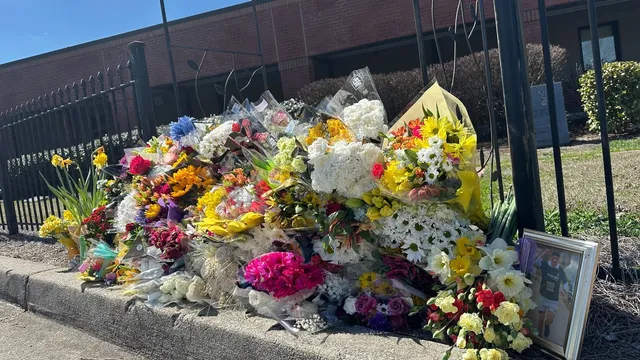
In the United States, specifically in Georgia, a tragic incident occurred during a senior prank where high school teacher Jason Hughes was fatally struck by a vehicle driven by one of his students. On March 6, 2026, Hughes was involved in a prank where five students went to his home to toilet paper his trees. While attempting to flee the scene, Hughes tripped and fell into the roadway, resulting in 18-year-old Jayden Ryan Wallace inadvertently running him over. Despite the prompt medical attention, Hughes succumbed to his injuries later that night. Following the incident, authorities charged Wallace with vehicular homicide and other misdemeanors while the other four teens were charged with criminal trespassing and littering. However, the family of Jason Hughes advocated for the students, asserting their belief that the incident was an unfortunate accident rather than a crime. Hughes' widow, Laura, expressed forgiveness and compassion for the teens, emphasizing their lifelong dedication to teaching and mentoring young people. On March 13, 2026, just a day before Jason Hughes' funeral, a Georgia prosecutor announced that all charges against the five teens had been dismissed. The District Attorney's Office acknowledged the incomprehensible nature of the tragedy and supported the decision to drop charges based on the circumstances surrounding the event. The teens involved attended North Hall High School and had close ties with Hughes, who was known for his positive influence on students, further complicated by the community's mourning for Hughes' untimely death. As the news of the charges being dropped became public, Wallace's attorney stated that there was no crime, rather only an extremely sad accident. The family of Hughes echoed this sentiment, asking for support and understanding for the students involved, reiterating that Hughes would not have wanted to harm their futures over what was intended as harmless fun. The case highlights the complexities of high school pranks and their potential consequences, creating a poignant reminder of the impact such incidents can have on both victims and perpetrators alike.
Context
The impact of accidents during pranks on community safety and cohesion is a vital subject that merits thorough examination. Pranks, often viewed as harmless fun, can sometimes escalate into dangerous situations, resulting in injuries, property damage, and emotional distress for both the individuals involved and the broader community. Such incidents often attract media attention, potentially instilling fear and mistrust among community members. This often leads to discussions around the necessity for regulations and educational initiatives aimed at promoting safe and responsible behavior, particularly among young individuals who are frequently the perpetrators and victims of pranks gone awry. In many cases, accidents arising from pranks can lead to significant legal repercussions. Individuals harmed during a prank may pursue litigation against those responsible, creating not only financial burdens but also potential criminal charges for recklessness or negligence. This legal aftermath can further strain community resources, as local law enforcement and healthcare services become overwhelmed with the consequences of these events. As communities grapple with the fallout from pranks, a cycle is initiated wherein fear of liability and increased policing can inhibit social interactions, thus adversely affecting community cohesion. Moreover, the psychological impact of pranks gone wrong extends beyond immediate physical injuries. Victims may experience lasting trauma, while witnesses may deal with guilt or fear related to the event. The shared experience of negative incidents can lead to diminished trust among community members, fostering an environment of suspicion rather than one of communal support. As people become more protective of themselves and their families, participation in community activities may decline, further isolating individuals and fragmenting social bonds that are essential to a thriving community. To mitigate the adverse effects of accidents caused by pranks, it is crucial for communities to implement proactive strategies that raise awareness about the potential dangers associated with pranks. Educational programs focusing on safe, consensual, and respectful interactions can empower young people to think critically about their actions and their potential consequences. By fostering an environment that promotes empathy and responsibility, communities can work towards reducing the incidence of prank-related accidents while simultaneously reinforcing social bonds and collective well-being.


